Part of: Banknote Circulation & Handling
This article is part of the Banknote Circulation & Handling hub, explaining how central banks maintain currency quality through collection and replacement of worn or damaged notes.
Central banks handle damaged banknotes through systematic collection, inspection, and replacement processes to help maintain currency quality and support public confidence in physical cash. This continuous process helps ensure reliable function of cash-handling equipment, helps preserve security features, and supports the overall integrity of monetary systems.
Understanding how central banks manage damaged banknotes reveals the sophisticated infrastructure supporting everyday cash transactions. The Federal Reserve and European Central Bank operate extensive systems for monitoring note quality and removing unfit currency from circulation.
Why Central Banks Replace Damaged Banknotes
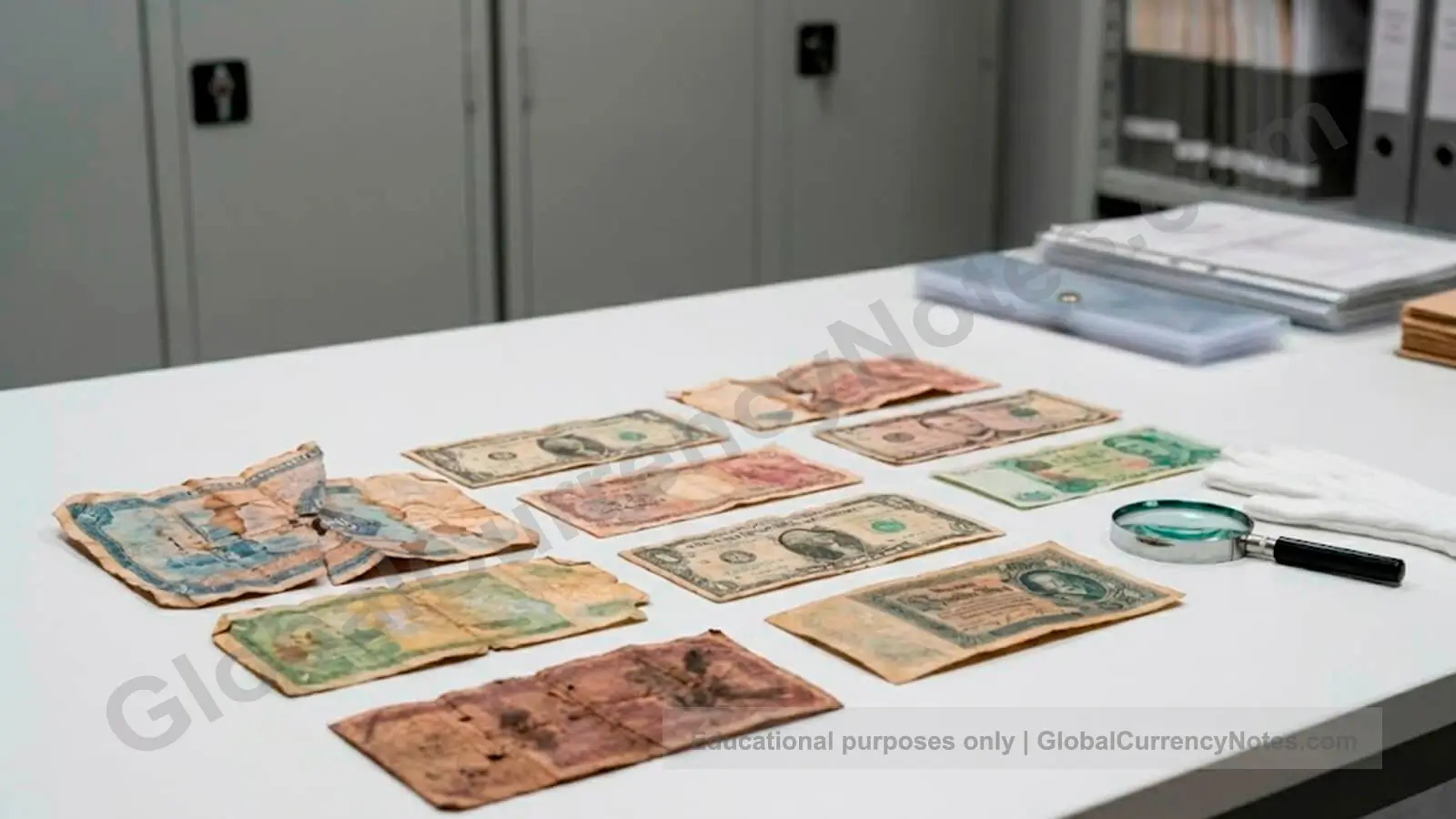
Physical currency naturally deteriorates through normal use. Folding, handling, exposure to moisture, and environmental factors gradually reduce note quality. Without systematic removal and replacement, circulating currency would become increasingly worn, potentially creating multiple problems for users and the monetary system.
Problems Caused by Damaged Currency
- Public confidence: Excessively worn currency can undermine trust in the monetary system
- Hygiene concerns: Heavily soiled or contaminated notes may pose health risks
- Machine rejection: Damaged notes can jam ATMs, vending machines, and counting equipment
- Counterfeiting risks: Worn security features can become difficult to verify
- Transaction friction: Merchants may refuse notes in poor condition, potentially complicating commerce
By maintaining high standards for circulating currency quality, central banks help ensure that physical money remains practical, trusted, and functional for all users.
Collection and Return Systems for Damaged Banknotes
Damaged banknotes typically reach central banks through established collection channels involving commercial banks, retailers, and cash-processing centers.
Primary Collection Routes
Commercial banks serve as the primary conduit between public circulation and central bank processing. When individuals or businesses deposit cash, banks sort notes and identify those unsuitable for recirculation. These damaged notes accumulate until banks return them to the central bank, typically during regular cash ordering and delivery cycles.
Cash-in-transit companies and armored car services also identify damaged currency while processing cash for ATM replenishment and retail clients. They separate unfit notes and route them to central bank facilities.
Retailers with high cash volumes may work with banks or processors to regularly remove damaged notes from their operations before excessive accumulation creates handling problems.
Voluntary and Mandatory Returns
In most systems, commercial banks voluntarily return damaged notes as part of normal cash management—they want to exchange worn currency for fresh notes that are easier to handle and less likely to cause machine problems. Some jurisdictions have explicit requirements that banks return unfit currency within certain timeframes to help prevent damaged notes from recirculating extensively.
Inspection and Authentication Process
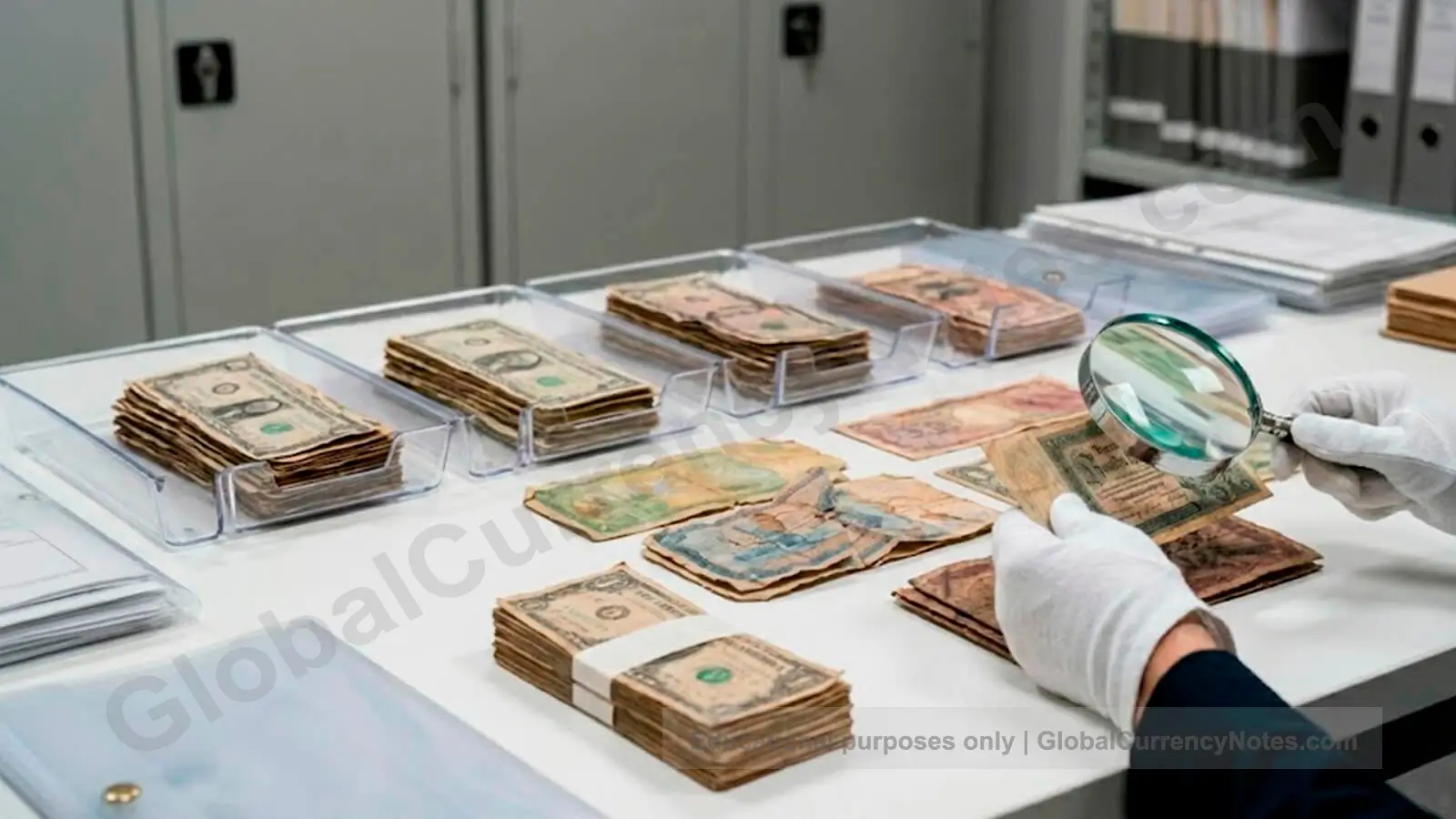
Upon receiving returned banknotes, central banks typically conduct detailed examination to determine fitness for continued circulation and verify authenticity.
Automated Sorting
Modern central banks generally use high-speed banknote processing machines capable of examining thousands of notes per hour. These machines typically employ multiple sensors to assess condition:
- Optical sensors: Detect tears, holes, missing pieces, heavy soiling, and excessive wear
- Mechanical sensors: Measure note stiffness and integrity—degraded paper loses structural strength
- Authentication sensors: Verify security features including watermarks, security threads, and special inks
- Ultraviolet and infrared sensors: Check features invisible under normal light
Machines sort notes into categories based on predetermined quality standards. Notes meeting fitness criteria receive approval for recirculation. Those failing tests are flagged for destruction.
Manual Inspection
Certain banknotes require human evaluation—particularly those that are severely damaged, have suspicious characteristics, or trigger inconclusive machine readings. Trained specialists examine these notes individually, making determinations about authenticity, redemption eligibility, and appropriate processing.
Fitness Criteria
While specific standards vary by central bank and currency, typical unfitness criteria include:
- Tears extending significantly into the note
- Missing corners or sections
- Heavy soiling that obscures denomination or security features
- Graffiti, stamps, or writing that defaces the note
- Excessive limpness indicating paper breakdown
- Tape or adhesive repairs
- Water damage, mold, or other contamination
- Fading that makes denomination difficult to identify
Notes showing minor wear but retaining integrity and clear security features typically pass fitness tests and return to circulation. The threshold balances maintaining quality against the cost of replacement—destroying notes prematurely wastes resources, while keeping excessively worn notes circulating can create user problems.
Destruction Methods and Security
Banknotes deemed unfit undergo secure destruction to prevent any possibility of re-entry into circulation.
Shredding Process
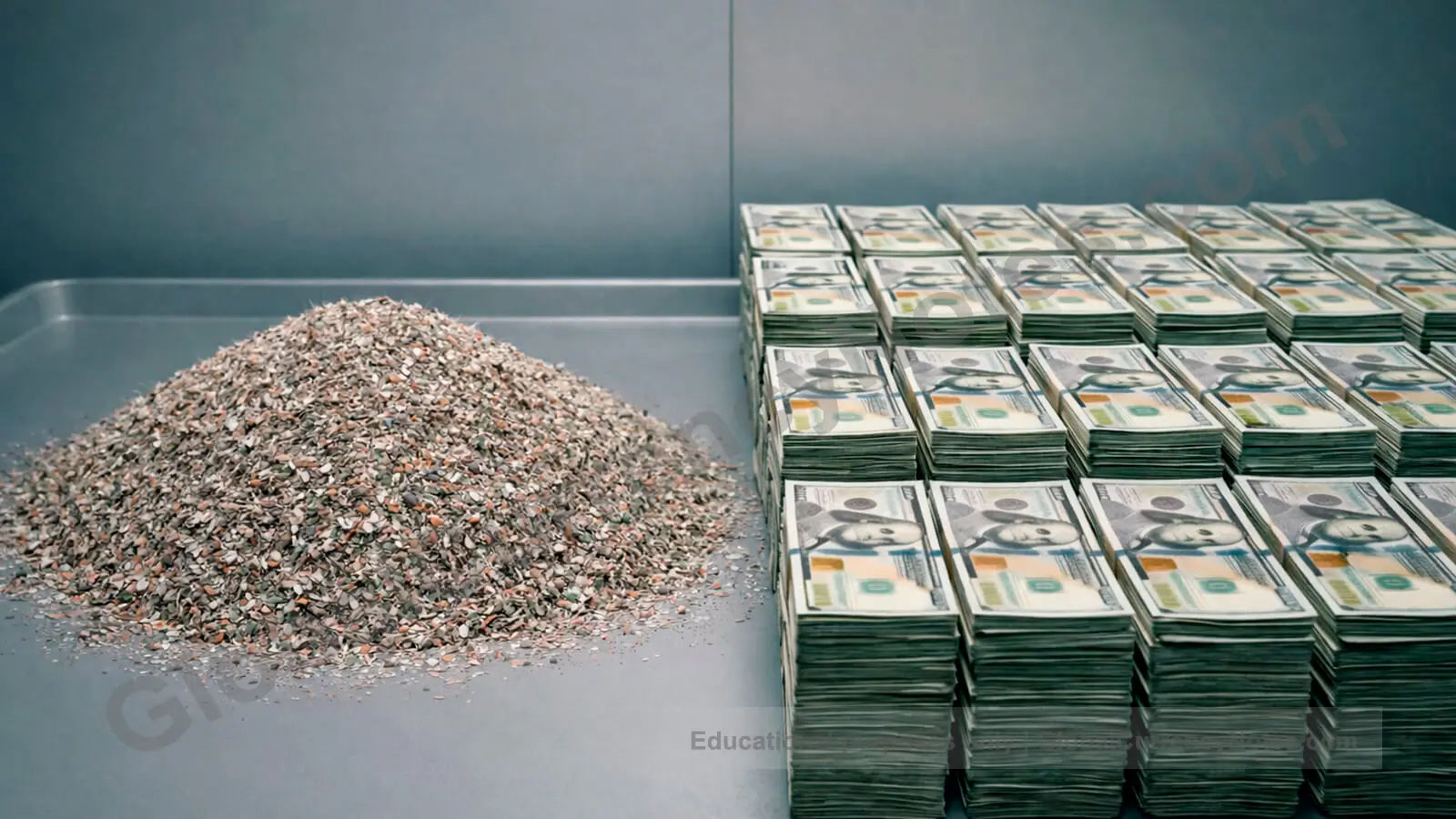
Industrial shredders reduce banknotes to small particles—typically pieces measuring just a few millimeters. This thorough destruction helps ensure notes cannot be reconstructed or partially reused. The shredding process occurs in secured facilities under strict monitoring, often with multiple staff members present to maintain accountability.
Destroyed material is weighed and documented to verify that the quantity processed matches records. This accounting helps prevent diversion and confirms complete destruction.
Disposal of Shredded Material
Shredded banknote material faces various disposal methods depending on note composition and local regulations:
Paper banknotes: Shredded paper can be composted, used as fuel for energy generation, or recycled into other paper products. Some facilities compress shredded notes into bricks used as insulation or construction material.
Polymer banknotes: Shredded polymer material can be recycled into plastic pellets for manufacturing other plastic products. Some countries have established dedicated recycling programs for worn polymer currency.
In all cases, disposal methods must ensure destroyed notes remain unrecoverable and don’t create environmental problems.
Replacement and Money Supply Management
Destroying unfit notes doesn’t change the total money supply—central banks replace destroyed notes with equivalent quantities of newly printed currency.
Maintaining Balance
Central banks carefully track the volume of notes destroyed and order replacement production from authorized printing facilities. This helps maintain stable circulating currency levels while upgrading average note quality. The replacement process is ongoing—every week, millions of banknotes enter circulation as fresh replacements while similar quantities are destroyed.
Seasonal Variations
Demand for fresh currency typically fluctuates seasonally. Many countries see peak demand during holiday periods when retail cash transactions increase. Central banks anticipate these patterns and adjust replacement production accordingly to help ensure adequate supplies of high-quality notes reach circulation when needed most.
Redemption of Severely Damaged Notes
Individuals who possess severely damaged banknotes—from fires, floods, or other accidents—may be able to redeem them for value if sufficient identifying characteristics remain, though policies vary significantly by jurisdiction.
General Redemption Principles
Important: Redemption policies, evaluation criteria, and procedures vary significantly by country and central bank. The following represents general principles observed in some jurisdictions but should not be considered universal rules:
- Percentage remaining: Some jurisdictions use approximate thresholds (such as more than 50% remaining) as general guidelines for redemption eligibility, but actual policies vary considerably. Many central banks evaluate damaged notes on a case-by-case basis considering multiple factors beyond simple percentage measurements
- Identifiability: Serial numbers, denomination, and security features generally must be verifiable, though specific requirements differ by authority
- Nature of damage: Damage typically must appear accidental rather than deliberate alteration, though assessment criteria vary
Critical note: No universal «50% rule» exists across all jurisdictions. What may be redeemable in one country might not be in another. Evaluation standards, required documentation, processing procedures, and timeframes differ substantially by location. Some central banks may redeem notes with less than 50% remaining if serial numbers are identifiable; others may require more than 50% or apply different criteria entirely. Always verify current policies with your specific local central bank before submitting damaged currency.
Submitting Damaged Notes for Redemption
Individuals with damaged banknotes should contact their central bank or a commercial bank for guidance on submission procedures specific to their jurisdiction. Generally, the process involves packaging the damaged note carefully (typically, procedures recommend not attempting to clean or repair it, though specific instructions vary), providing an explanation of how damage occurred, and submitting to the appropriate authority. Claims often require identification and contact information.
For extremely damaged currency—such as notes partially destroyed by fire—even fragments may have value if enough remains for identification in some jurisdictions. Specialized forensic examination can sometimes reconstruct serial numbers or verify authenticity even from severely compromised notes. However, submission procedures, evaluation criteria, processing times, and success rates vary significantly by country, so contact your local authority for specific guidance applicable to your situation.
Important: Redemption is not guaranteed and depends on evaluation by qualified authorities. Processing can take considerable time—weeks to months in some cases. Policies and procedures are subject to change. For current, authoritative information, always consult your local central bank or relevant monetary authority directly.
Impact on Currency Quality and Public Trust
Systematic handling and replacement of damaged banknotes can produce measurable benefits for currency systems and users.
Improved Circulation Quality
Regular removal of worn notes means circulating currency typically remains generally fresh and functional. Users encounter fewer instances of torn notes being rejected or machines malfunctioning due to damaged currency. This reliability can support continued public acceptance of physical cash.
Security Benefits
Retiring worn banknotes before security features degrade significantly can help maintain counterfeiting resistance. Clear, intact security features allow both machines and people to verify authenticity more confidently. Conversely, excessively worn notes with faded features or obscured elements can become harder to authenticate, potentially allowing counterfeits to circulate more easily.
Hygiene Considerations
Removing heavily soiled or contaminated currency can help reduce public health risks. While banknotes inevitably accumulate some contamination during circulation, systematic replacement helps prevent accumulation of excessive dirt, pathogens, or harmful substances on notes that continue circulating for extended periods.
Differences Between Paper and Polymer
Note material significantly affects handling and replacement patterns in central bank operations.
Paper Banknote Processing
Traditional paper notes typically have shorter circulation lifespans and higher replacement rates. Paper tends to show wear more quickly and sustain damage more easily, meaning central banks generally process larger volumes of paper note returns. However, paper note destruction and disposal processes are well-established and relatively straightforward.
Polymer Banknote Processing
Polymer notes typically last significantly longer—often approximately two to three times the lifespan of equivalent paper notes under similar circulation conditions, though actual performance varies by climate and usage patterns. This durability generally means lower replacement volumes and potentially reduced printing costs over time. However, polymer notes require different handling during destruction—they can’t be composted and require plastic recycling infrastructure. Some countries have developed specialized programs to recycle polymer currency into useful products.
Frequently Asked Questions
Can I exchange a torn banknote at my local bank?
Minor tears typically don’t prevent notes from remaining acceptable in circulation. For more significant damage, commercial banks can usually accept damaged notes and process them through central bank channels. Policies vary by jurisdiction—banks may accept notes meeting certain criteria, or they may forward questionable notes to central banks for evaluation. Specific acceptance standards, required percentages remaining intact, and procedures differ by location. Contact your local bank for specific policies applicable in your region.
What happens if I accidentally destroy cash in a washing machine or fire?
Contact your central bank’s damaged currency department or a local commercial bank for guidance on procedures specific to your jurisdiction. Many central banks have procedures for examining and potentially redeeming accidentally destroyed currency if sufficient identifying characteristics remain. Generally, procedures recommend keeping all fragments and avoiding attempts at cleaning or repair before submission, though specific instructions vary by jurisdiction. Submit everything for professional evaluation according to your local central bank’s guidelines. Redemption is not guaranteed and depends on evaluation according to local policies.
Why don’t central banks repair damaged notes instead of destroying them?
Repair would be impractical at scale, costly, and could compromise security. Attempting to repair millions of damaged notes would likely be more expensive than printing replacements. Additionally, repaired notes might be weaker than new ones or show evidence of alteration that could be confused with counterfeiting attempts. Destruction and replacement helps maintain consistent quality and security standards across circulating currency.
How often are damaged banknotes removed from circulation?
Removal typically occurs continuously—commercial banks return damaged notes to central banks regularly, generally during routine cash ordering cycles. The rate varies by denomination (lower values circulate more frequently and wear faster) and by note material (polymer typically lasts longer than paper). Specific patterns differ significantly by country, currency system, and local circulation conditions.
Do all countries follow the same standards for determining if notes are damaged?
No. While general principles are similar worldwide—notes must be fit for reliable use and verification—specific fitness criteria vary significantly by central bank. Some set stricter standards requiring higher quality, while others accept more worn notes before removal. These differences reflect various factors including printing costs, circulation patterns, and public expectations. Contact your local central bank for specific fitness criteria applicable in your jurisdiction.
What percentage of returned notes are typically destroyed versus recirculated?
Destruction rates vary significantly by denomination, currency type, and regional circulation patterns. Some estimates suggest that between 20% and 40% of returned notes are destroyed, with the remainder deemed fit for recirculation, but actual rates differ substantially by jurisdiction and time period. Lower denominations typically show higher destruction rates due to more frequent handling and faster wear. Specific rates depend on local policies, circulation conditions, and note material. For precise data about any particular currency system, consult the relevant central bank.
Disclaimer: Information provided is for educational purposes only and does not constitute professional advice. Banknote standards and regulations vary by jurisdiction and are subject to change. Readers should exercise their own judgment. For full legal disclosures and liability limitations, visit our Legal Notice.