Part of: Banknote Circulation & Handling
This article is part of the Banknote Circulation & Handling hub, covering how banknotes are used, stored, worn out, and withdrawn from circulation.
Banknotes last from a few years to over two decades, depending on material, denomination, and circulation intensity. How long do banknotes last? Every banknote has a limited lifespan—from the moment a new note enters circulation, it begins a gradual journey of wear that eventually ends with withdrawal and replacement.
Understanding banknote lifespan helps explain why some notes look crisp while others appear worn, why central banks continuously print new currency, and how material innovations like polymer substrates are changing the economics of cash management. The Federal Reserve, Bank of Canada, and other central banks worldwide track note lifespans to optimize replacement cycles and maintain currency quality.
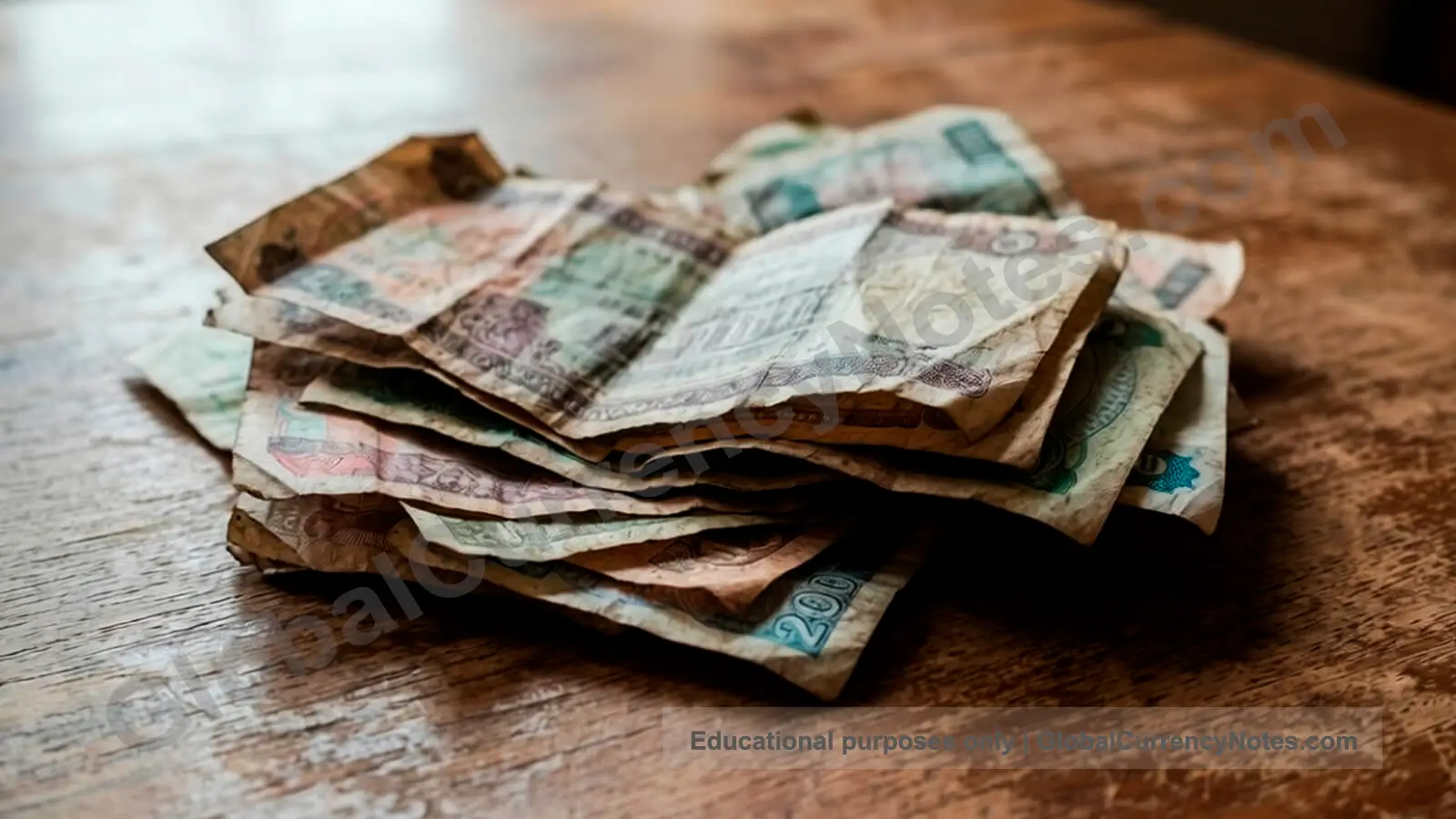
What Determines How Long Banknotes Last?
Banknote lifespan is not fixed—it varies significantly based on material composition, denomination, usage patterns, and environmental conditions.
Material: Paper vs Polymer
Traditional banknotes are printed on cotton-based paper, which is far more durable than standard wood-pulp paper. U.S. currency, for example, uses a blend of 75% cotton and 25% linen, giving notes their characteristic strength and texture.
Polymer banknotes, introduced by countries like Canada, Australia, and the United Kingdom, are made from biaxially-oriented polypropylene (BOPP). Studies from the Bank of Canada indicate that polymer notes typically last approximately two and a half to four times longer than equivalent paper notes under similar circulation conditions. Actual performance varies based on usage patterns, climate, and handling intensity.
Denomination and Circulation Frequency
Lower-denomination notes typically have much shorter lifespans because they circulate more frequently. A $5 or $10 note might change hands dozens of times per month, experiencing constant folding, handling, and storage in wallets and cash registers. In contrast, higher denominations like $50 or $100 notes are often retained as stores of value and circulate far less frequently.
Environmental and Handling Conditions
Banknotes used in humid, tropical climates deteriorate faster than those in temperate regions. Similarly, notes handled in commercial environments (retail, banking) experience different wear patterns compared to those primarily kept in wallets or safes. Central banks account for these variations when designing durability specifications.
Typical Lifespan by Country and Denomination
Central banks worldwide track banknote lifespans using sophisticated processing equipment that evaluates note fitness during cash deposits. While exact figures vary by country and currency, general patterns are consistent across major economies. The following estimates represent approximate average lifespans based on central bank data, statistical modeling, and may change based on circulation patterns and calculation methodologies. Individual note lifespans vary considerably.
United States (USD) — Paper Notes
According to Federal Reserve estimates, U.S. banknote lifespans vary by denomination. These figures represent approximate averages based on statistical modeling and circulation data. Actual individual note lifespans vary considerably based on usage conditions:
- $1 note: approximately 7 years
- $5 note: approximately 6 years
- $10 note: approximately 6 years
- $20 note: approximately 11 years
- $50 note: approximately 15 years
- $100 note: approximately 24 years
The $10 note has a relatively short estimated life despite not being the lowest denomination, likely due to its popularity for ATM dispensing and everyday transactions. These are estimates that can change based on circulation patterns and measurement methodologies.
Canada (CAD) — Polymer Notes
Canada’s polymer series, introduced in 2011-2013, demonstrates the durability advantage of polymer substrates. Estimated lifespans based on Bank of Canada data and circulation modeling. Actual performance varies based on usage conditions and handling patterns:
- $5 note: approximately 8 years or more
- $10 note: approximately 11 years or more
- $20 note: approximately 16 years or more
- $50 and $100 notes: 16 years or more
These figures represent roughly two and a half to four times the lifespan of Canada’s previous paper notes, resulting in significant cost savings and environmental benefits from reduced transportation and replacement frequency. As with all lifespan estimates, actual performance varies based on circulation intensity and handling conditions.
Japan (JPY) — Paper Notes
The Bank of Japan has reported shorter estimated lifespans for its paper currency, which may reflect higher transaction volumes and more frequent cash handling in Japan’s cash-preferring economy. Estimates vary based on measurement methodology and circulation patterns:
- ¥1,000 and ¥5,000 notes: approximately 1-2 years
- ¥10,000 note: approximately 4-5 years
These shorter estimates reflect calculation methodology and specific circulation conditions. Actual individual note lifespans vary.
United Kingdom (GBP) — Transitioning to Polymer
Before polymer adoption, UK paper notes typically had estimated lifespans of:
- £5 note: approximately 1 year
- £50 note: over 5 years
The UK has since transitioned to polymer notes for most denominations, dramatically extending their estimated usable life. The Bank of England provides current information on note characteristics and expected lifespans.
Australia (AUD) — Polymer Pioneer
Australia, which pioneered polymer banknotes in 1988, reports median estimated lifespans of:
- $5 note: approximately 2-3 years
- $50 note: approximately 10 years
These figures represent median lifespans, meaning 50% of notes survive longer than these estimates. Actual lifespans depend on circulation intensity and environmental conditions.
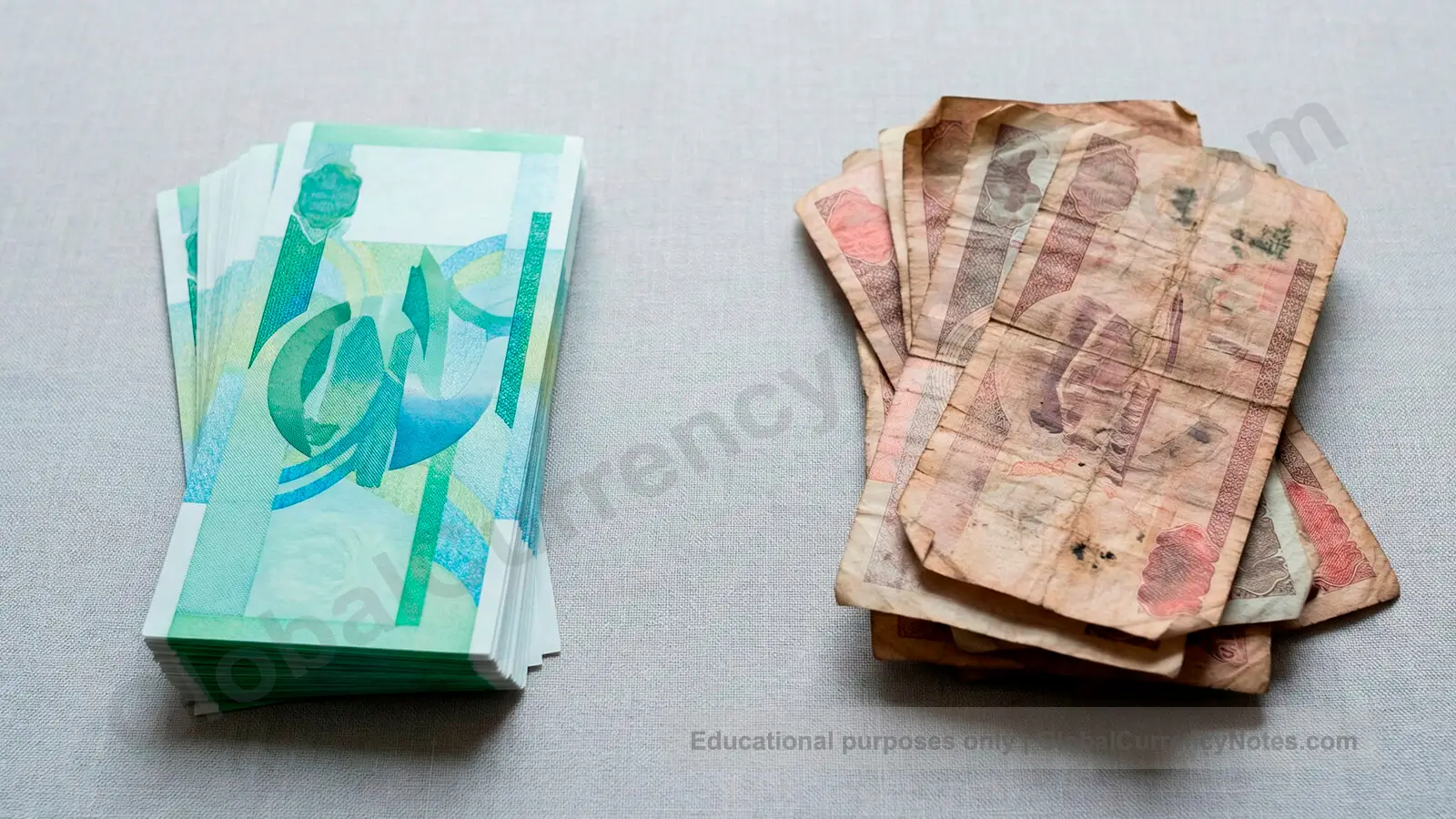
How Banknotes Wear Out in Circulation
Physical deterioration accumulates gradually as banknotes pass through countless transactions. Understanding common wear patterns helps explain when and why notes are withdrawn.
Common Forms of Banknote Wear
- Creasing and folding: Repeated folding weakens paper fibers and can eventually lead to tears, particularly at fold lines
- Edge fraying and tearing: Corners and edges are especially vulnerable to mechanical damage during handling
- Ink fading: Constant handling causes gradual loss of printed details, affecting both aesthetic appearance and security feature visibility
- Soiling and staining: Dirt, oils, and environmental contaminants accumulate on note surfaces, particularly in high-use commercial settings
- Moisture damage: While cotton paper notes resist water better than regular paper, prolonged exposure to moisture can cause discoloration and structural weakening. Polymer notes are highly resistant to moisture damage
How Central Banks Monitor and Measure Banknote Fitness
Central banks use sophisticated automated systems to evaluate note quality and determine when individual banknotes should be withdrawn from circulation.
Automated Fitness Sorting
When commercial banks deposit cash at central banks or Federal Reserve Banks, high-speed processing machines scan each note using multiple sensors that measure:
- Physical thickness and stiffness
- Optical clarity and print quality
- Presence of tears, holes, or missing sections
- Overall cleanliness and soil levels
Notes meeting quality standards are classified as «fit» and returned to circulation. Those failing fitness criteria are classified as «unfit» and destroyed.
Fit vs Unfit Classification
A fit banknote is clean, structurally intact, and suitable for continued circulation. An unfit banknote shows excessive wear, damage, or contamination that makes it unsuitable for public use. The U.S. Federal Reserve reports that approximately one-third of deposited notes are classified as unfit and destroyed, though this proportion varies by denomination and time period.
Calculating Lifespan Estimates
Central banks use various methodologies to estimate average banknote lifespans. The most common approach tracks the ratio of notes destroyed to notes in circulation over time. More sophisticated models account for factors like initial issuance patterns, demand fluctuations, and the proportion of notes hoarded versus actively circulating.
Different calculation methodologies can produce different estimates, which is why lifespan figures should be understood as approximate averages rather than precise predictions for individual notes.

The Environmental Impact of Banknote Lifespan
Longer banknote lifespans offer significant environmental benefits. When notes last longer, central banks need to produce fewer replacement notes, reducing:
- Raw material consumption (cotton, polymer, or specialized paper)
- Energy use in manufacturing processes
- Transportation and distribution costs
- Greenhouse gas emissions associated with production and logistics
Life-cycle assessments conducted for polymer banknote programs have indicated that polymer notes can have lower environmental impact than paper notes across various measured categories, particularly when accounting for their extended lifespan. In geographically large countries, the reduced need for transportation generates substantial energy and emissions savings. Specific environmental impact comparisons vary based on methodology, local conditions, and the metrics evaluated.
Withdrawal, Destruction, and Replacement
Once classified as unfit, banknotes are permanently removed from circulation and destroyed under strict security protocols. Central banks typically shred withdrawn notes and either incinerate them or recycle the material.
Destruction Methods
- Paper notes: Shredded and often burned for energy recovery or converted to compost in some facilities
- Polymer notes: Shredded and can be recycled into plastic pellets that may be used to manufacture new products such as garden furniture, decking, or compost bins
The U.S. Federal Reserve has reported generating thousands of tons of shredded currency annually, with a high percentage being recycled or used for energy recovery. Specific disposal methods vary by facility and local regulations.
Continuous Replacement Cycle
Central banks continuously replace worn notes with new currency to maintain cash quality and public confidence. The Bureau of Engraving and Printing (U.S.) and similar organizations worldwide work constantly to match production with the rate of note withdrawal.
Can You Still Use Worn Banknotes?
In most countries, moderately worn banknotes remain legal tender as long as they are genuine and identifiable, though acceptance policies may vary. Proper storage and handling practices can help extend banknote usability and prevent premature wear. However, heavily damaged notes may be rejected by:
- Automated vending machines and ATMs
- Retail cashiers concerned about authenticity or condition
- Currency exchanges and banks in some cases
Many central banks worldwide offer redemption services for damaged notes, though policies, procedures, and eligibility criteria vary significantly by country. In the United States, the Bureau of Engraving and Printing’s Mutilated Currency Division evaluates damaged currency on a case-by-case basis. Some jurisdictions use approximate thresholds (such as more than 50% remaining) as general guidelines, but actual redemption decisions depend on multiple factors including identifiability of security features, serial numbers, and the nature of damage. The Bank of England operates a similar service. Always contact your local central bank or relevant authority for current policies and submission procedures applicable in your jurisdiction.
Frequently Asked Questions
Why do higher-denomination banknotes last longer?
Higher denominations typically circulate less frequently because they’re more often used as stores of value rather than for everyday transactions. A $100 bill might be handled only a few times per month, while a $5 bill could change hands daily, experiencing far more wear. This difference in circulation intensity directly affects wear rates and estimated lifespans.
How many times can a banknote be folded before it tears?
The exact number varies by material and design. Traditional cotton-paper notes can typically withstand several thousand folds before structural failure, while polymer notes can endure tens of thousands of folds without tearing due to their plastic composition. Actual fold resistance depends on note condition, fold location, and environmental factors.
Do polymer banknotes always last longer than paper notes?
Generally yes. Real-world data from countries like Canada and Australia consistently shows polymer notes lasting approximately two and a half to four times longer than equivalent paper notes under similar circulation conditions. However, actual lifespan depends on usage patterns, environmental conditions, and specific note designs.
What happens to banknotes damaged by fire or flooding?
Many central banks worldwide operate redemption programs for severely damaged currency, though policies vary significantly by country. If sufficient remnants can be authenticated and requirements are met, replacement value may be issued. Specific eligibility criteria, submission procedures, and evaluation processes differ by jurisdiction. Contact your local central bank or relevant authority for guidance on damaged currency redemption in your region.
Can old banknotes be used even if they look very worn?
In most jurisdictions, moderately worn notes remain legal tender as long as they’re genuine and the denomination is clearly identifiable, though acceptance may vary. However, extremely worn notes may be rejected by automated systems or merchants concerned about authenticity. Banks typically accept worn notes and forward them to central banks for evaluation. For heavily worn notes, contact your bank or central bank for guidance on redemption procedures specific to your jurisdiction.
Why do some countries’ banknotes last much longer than others?
Differences in reported lifespan stem from several factors: material choice (paper vs polymer), calculation methodology, transaction frequency, climate conditions, and cash-handling practices. Countries using polymer currencies generally report longer estimated lifespans. Additionally, different central banks may use different statistical models to calculate average lifespans, resulting in varying published estimates even for similar currencies.
How do central banks know when a specific banknote was printed?
Most banknotes include serial numbers and series information that indicate when they were manufactured. This data helps central banks track note age and estimate average circulation time. However, the presence of a particular note in circulation doesn’t guarantee continuous use since that date—notes may be hoarded, stored, or circulate irregularly.
Disclaimer: Information provided is for educational purposes only and does not constitute professional advice. Banknote standards and regulations vary by jurisdiction and are subject to change. Readers should exercise their own judgment. For full legal disclosures and liability limitations, visit our Legal Notice.