Part of: Banknote Types & Materials
Understanding special edition currency issued to celebrate national events, historical milestones, and cultural achievements.
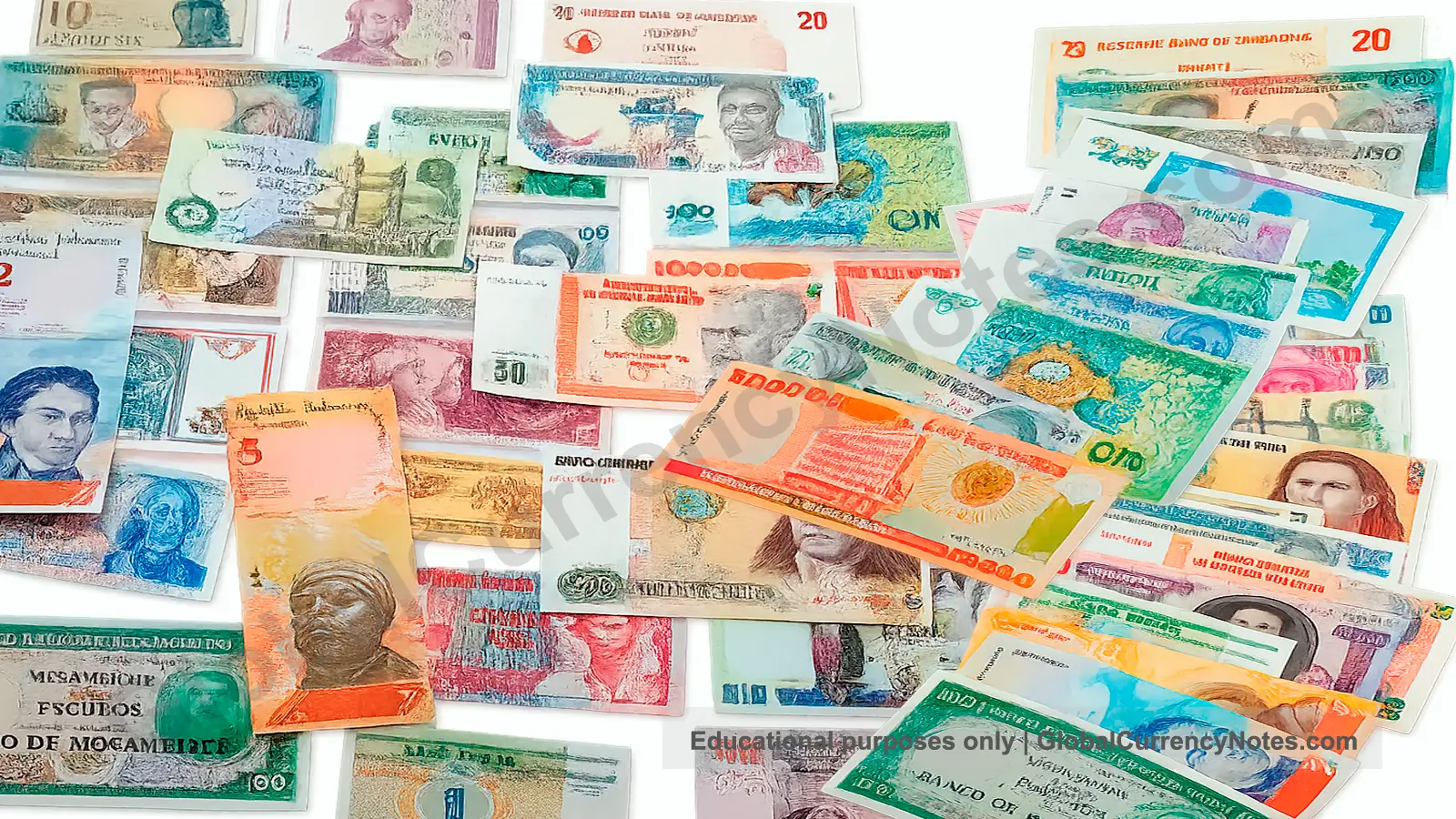
Commemorative banknotes are special edition currency notes issued by central banks to celebrate significant national events, historical milestones, or important cultural achievements. Unlike regular banknotes designed purely for everyday transactions, commemorative notes combine the practical function of legal tender with the cultural significance of marking memorable occasions.
These special banknotes typically feature unique designs that differ from standard currency, often incorporating elaborate artwork, distinctive security features, and limited production runs. According to the Bank of England, most commemorative banknotes carry full legal tender status and can be used for regular purchases just like ordinary money, though many people choose to preserve them as collectibles due to their historical significance and limited availability.
What Makes a Banknote Commemorative
A commemorative banknote is typically distinguished by several key characteristics that set it apart from standard currency. The most obvious difference is usually the special design created specifically for the commemorated event, rather than the standard design used across multiple print runs.
Central banks generally issue commemorative banknotes in limited quantities—sometimes numbering only hundreds of thousands or a few million notes compared to billions of regular banknotes in circulation. This limited production often makes them more scarce than standard currency, though most remain relatively affordable and accessible to collectors at or near face value.
Legal Tender Status
Most commemorative banknotes carry full legal tender status in their country of issue, meaning they can typically be used for everyday transactions just like regular money. For example, when Solomon Islands issued a commemorative $10 note for the XVII Pacific Games in 2023, it reportedly circulated alongside standard $10 banknotes with equal purchasing power.
However, some commemorative notes are explicitly issued for collectors only and never intended for circulation. These collector-focused editions are typically packaged with certificates of authenticity and sold at prices above face value to cover production costs and sometimes raise funds for specific causes.
Common Occasions for Commemorative Banknotes
Countries issue commemorative banknotes to mark a wide variety of significant events and achievements. Understanding the most common types can help collectors anticipate new releases and appreciate the cultural importance behind each design.
Olympic Games and Sports Achievements
Olympic hosting and victories have generated some of the most popular commemorative banknotes worldwide. Russia issued a 100 Ruble note in 2014 for the Sochi Winter Olympics, featuring winter sports imagery and mountain landscapes. China released commemorative 20 Yuan notes for the 2022 Beijing Winter Olympics, showcasing figure skating and ski jumping venues.
Fiji created perhaps one of the most unusual denominations when it issued a $7 note in 2016 to celebrate the national Rugby 7s team’s first Olympic gold medal at the Rio de Janeiro Games. The unusual denomination matched the sport’s name (Rugby 7s) and became highly sought after by both sports enthusiasts and currency collectors.
Independence Anniversaries and National Milestones
Many countries mark major independence anniversaries with special currency releases. Jamaica issued a polymer banknote series in 2022 to commemorate 60 years of independence. Indonesia released a 75,000 Rupiah note in 2020 for its 75th independence anniversary, a denomination not typically used in regular circulation.
Canada issued a widely circulated $10 note in 2017 for the 150th anniversary of Confederation, according to the Bank of Canada, ensuring millions of Canadians encountered this piece of national history in their daily transactions.
Royal Events and Head of State Commemorations
Monarchies and countries with significant royal histories often issue commemorative banknotes for weddings, coronations, jubilees, and other royal milestones. These notes typically feature portraits of monarchs, royal residences, or significant ceremonial moments.
Thailand has issued high-denomination commemorative notes to celebrate royal events, though such ultra-high denomination notes are generally intended primarily as collector’s items rather than circulating currency.

Three Types of Commemorative Banknotes
Commemorative banknotes generally fall into three main categories based on their intended use and distribution method. Each type serves different purposes and appeals to different audiences.
Circulation Commemoratives
These notes are typically printed in larger quantities and intended for everyday use alongside standard currency. They function essentially like regular banknotes but feature special designs for a limited time. The Canada 150th Anniversary $10 note is a well-known example, having been widely distributed through banks and ATMs.
Circulation commemoratives often remain in active use for several years before being gradually withdrawn, though some people remove them from circulation by saving them as keepsakes.
Limited Edition Commemoratives
Limited edition notes are generally produced in smaller quantities and marketed specifically to collectors, though they usually still carry legal tender status. These notes typically cost slightly more than face value when purchased directly from the issuing central bank, with prices covering production costs and sometimes contributing to the commemorated cause or event.
Collector-Only Editions
Some commemorative banknotes are never intended for circulation and are sold exclusively as collectibles. These notes are typically produced in very limited quantities and sold in special presentation packaging with certificates of authenticity, making them immediately identifiable as collector items despite often carrying legal tender status.
Design Features and Security Elements
Commemorative banknotes often showcase more elaborate designs than standard currency, with artists sometimes given creative freedom to capture the significance of the commemorated event. These designs typically incorporate specific imagery directly related to the occasion.
For Olympic commemoratives, this might include athletes in action, sporting venues, Olympic rings, or national emblems. Independence anniversary notes frequently feature founding figures, historical documents, national monuments, or symbolic representations of freedom and sovereignty.
Enhanced Security Features
Because commemorative banknotes can command premium prices in the collector market, central banks typically incorporate advanced security features to help prevent counterfeiting. These may include special holograms, color-shifting inks, unique watermarks, and embedded security threads—though specific features vary by issuer and series.
Modern polymer commemoratives can feature transparent windows with complex optical effects, making them both visually striking and more difficult to counterfeit. The European Central Bank notes that advanced security features help protect both the currency’s integrity and its collectible value.
Collectible Value and Investment Potential
The value of commemorative banknotes in the collector market depends on several factors including rarity, condition, historical significance, and collector demand. Notes issued in very limited quantities may command higher premiums than widely distributed circulation commemoratives, though market conditions vary considerably.
Most circulation commemoratives trade for modest premiums above face value when in uncirculated condition—often ranging from 10-50% more, though this varies significantly. Limited edition notes can command prices ranging from twice to several times face value, depending on scarcity and collector interest, but there are no guarantees of appreciation.
Factors Affecting Collectible Value
Rarity is generally a primary driver of value, with lower mintage numbers often resulting in higher collector demand. A commemorative note issued in quantities of 100,000 may typically be more sought after than one printed in millions of copies, though other factors also influence value.
Historical significance can play a crucial role. Notes commemorating major historical turning points, such as independence or significant political changes, often maintain collector interest over time. However, the popularity of commemorated events or figures can fluctuate, affecting long-term value unpredictably.
Condition is critical for collectors. Uncirculated notes in pristine condition with original packaging and certificates of authenticity typically command significant premiums over circulated examples showing wear from handling.
Should You Spend or Collect?
When you encounter a commemorative banknote in circulation, the decision to spend or save depends on several considerations. If the note is a widely distributed circulation commemorative, spending it typically poses little financial risk since face value is guaranteed. However, preserving it in good condition might yield modest returns if collector interest develops, though this is not guaranteed.
For limited edition commemoratives purchased above face value, spending them generally means accepting a certain loss of the premium paid. These are often best viewed as collectibles or cultural artifacts rather than currency for everyday use.
Practical Collection Strategy
Collectors interested in commemorative banknotes typically focus on obtaining notes in the best possible condition. For circulation commemoratives, this often means visiting banks shortly after release to request uncirculated examples directly from fresh shipments.
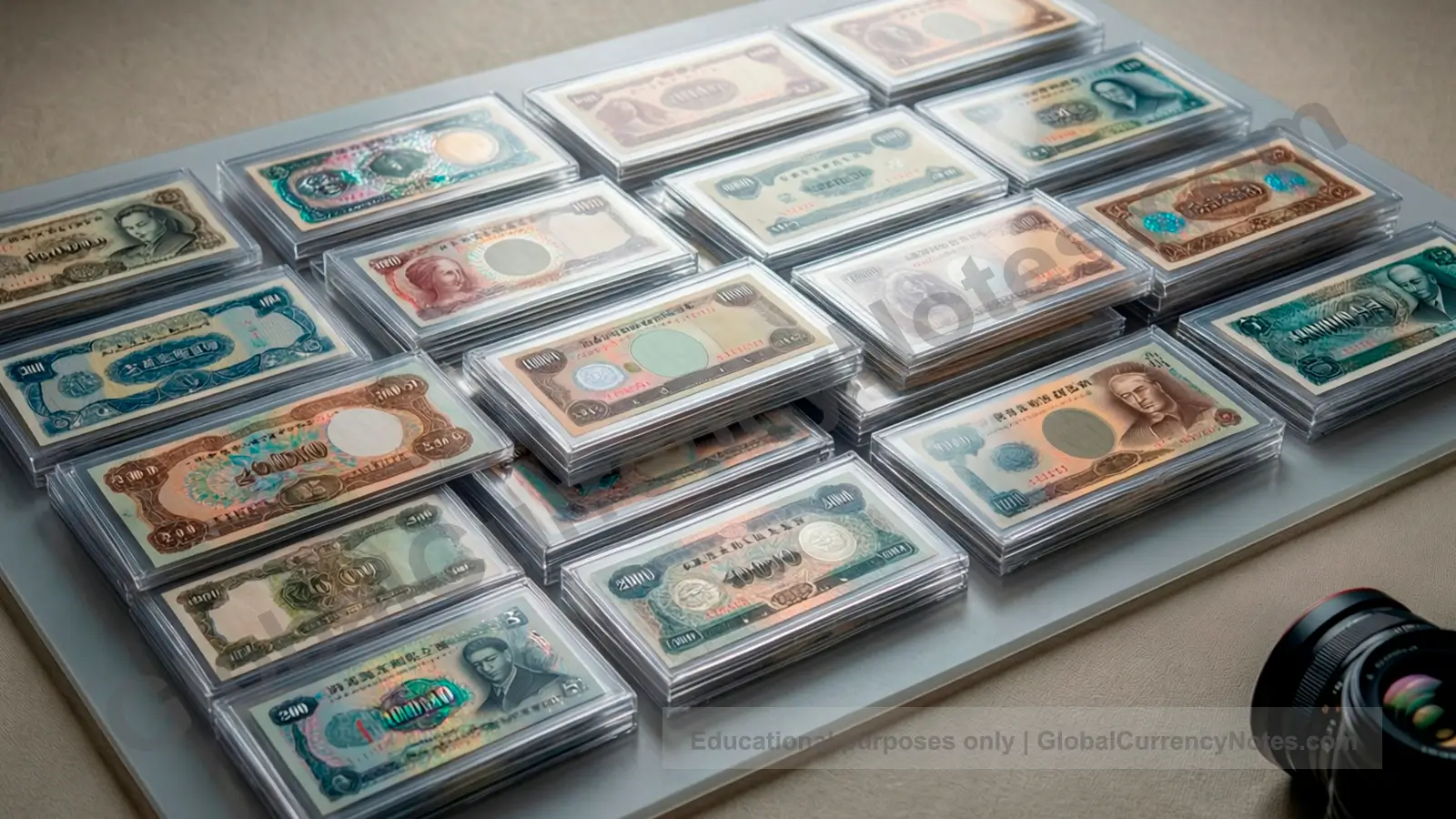
Limited edition releases should ideally be purchased directly from the issuing central bank or authorized dealers to help ensure authenticity and obtain official documentation. Packaging, certificates, and special presentation folders can significantly enhance long-term collectible value, though market conditions vary.
How Long Do Commemoratives Remain Available?
The availability period for commemorative banknotes varies significantly by type and issuing authority. Circulation commemoratives typically remain in active use for several years, gradually disappearing from circulation as people save them or as banks withdraw worn examples.
Limited edition collector releases are usually available for purchase only during a specific sales period, often lasting several months to a year after the commemorated event. Once central bank inventories are exhausted, collectors must typically turn to secondary markets where prices may be substantially higher, though this varies by demand.
Some countries announce exact issue quantities in advance, allowing collectors to gauge potential scarcity. Others reveal final mintage numbers only after sales conclude, creating uncertainty about long-term value potential.
Educational and Cultural Significance
Beyond their monetary and collectible functions, commemorative banknotes can serve important educational and cultural purposes. They introduce citizens to national history, cultural heritage, and significant achievements through daily monetary exchanges.
A person using a commemorative note learns about their country’s achievements or historical events. These small educational moments can occur many times as commemorative notes circulate, making history tangible in ways that other media sometimes cannot.
For countries with younger populations less familiar with historical events, commemorative currency can provide an accessible entry point to learning about national heritage. The visual impact of examining detailed artwork can make history more engaging than text alone.
Notable Examples From Around the World
Some commemorative banknotes have achieved recognition among collectors due to their rarity, design quality, or cultural significance. China issued both 10 and 20 Yuan polymer notes in 2022 to commemorate the Beijing Winter Olympics, featuring dynamic imagery of figure skating and ski jumping that captured the excitement of the games.
Finland’s 1986 10 Markkaa note honored Paavo Nurmi, the legendary «Flying Finn» who set numerous world records and won multiple Olympic gold medals in distance running during the 1920s. The note also depicted Helsinki’s Olympic Stadium, site of the 1952 Summer Games.
Various countries have issued commemorative notes celebrating Olympic achievements, national heroes, and significant milestones, each reflecting the unique cultural heritage and values of the issuing nation.
Frequently Asked Questions
Can you spend commemorative banknotes like regular money?
Most commemorative banknotes that carry legal tender status can be spent at face value, though policies vary by country. However, if you purchased a limited edition note above face value or if it has developed collector value, spending it typically means losing that premium. Circulation commemoratives can generally be spent without financial loss. Always verify the specific legal tender status with the issuing central bank.
How do I know if a banknote is commemorative?
Commemorative banknotes typically feature special markings, unique designs different from standard notes, and often include text explicitly stating the commemorated event. Central banks usually announce commemorative issues publicly through official channels. Check the issuing central bank’s website or consult reputable banknote catalogs for verification.
Are commemorative banknotes worth more than face value?
It depends on the type, rarity, and market conditions. Widely circulated commemoratives might trade for modest premiums above face value in uncirculated condition, often 10-50% more though this varies. Limited edition notes can be worth 2-10 times face value or more in some cases. However, collectible markets fluctuate and there are no guarantees of appreciation. Values depend on collector demand, condition, and rarity.
Do all countries issue commemorative banknotes?
No. While many countries regularly issue commemorative currency, some nations rarely or never do so. The practice is more common in countries with significant national events to celebrate, active numismatic markets, or cultural traditions of commemorating milestones through currency. Issuing practices vary widely by country and change over time.
How should I store commemorative banknotes?
Store commemorative banknotes in acid-free archival sleeves or holders designed for currency preservation to help prevent damage from handling, moisture, and environmental factors. Keep them flat in a cool, dry location away from direct sunlight, which can cause fading. Original packaging and certificates should be preserved together with the note to help maintain maximum collectible value.
Can commemorative banknotes be counterfeited?
Yes, though the risk may be lower than with high-denomination regular notes in active circulation. Commemoratives often include enhanced security features and are produced in limited quantities, which can make counterfeiting less profitable. Always purchase from reputable dealers and verify authenticity using the security features described by the issuing central bank. Be particularly cautious when buying above face value.
Do banks accept commemorative banknotes at face value?
Banks typically accept legal tender commemorative banknotes at face value for deposits, though policies can vary by institution and jurisdiction. They may not have commemorative notes available for withdrawal on demand due to limited quantities. Tellers are generally instructed to treat commemoratives like standard currency unless the notes have been explicitly demonetized, but always verify current policies with your specific financial institution.
Disclaimer: Information provided is for educational purposes only and does not constitute professional advice. Banknote standards and regulations vary by jurisdiction and are subject to change. Readers should exercise their own judgment. For full legal disclosures and liability limitations, visit our Legal Notice.