Part of: Banknote Types & Materials
Exploring different types of banknotes, their materials, and the factors that influence their design, value, and collectibility across different currencies and historical periods.
Smallest banknotes represent fascinating examples of currency design at minimal scale, with the record holder measuring just 27.5mm × 38mm according to numismatic records. The 1917 Romania 10 bani note claims this distinction, issued during World War I when paper shortages and economic constraints forced radical size reduction. This miniature note measured approximately one-tenth the size of a standard US dollar bill, yet incorporated security features, denomination markings, and royal portraiture despite severe dimensional limitations.
Compact currency emerged primarily during wartime emergencies and economic crises when metal shortages prevented coin production. Governments issued small paper notes as temporary substitutes for copper and bronze coinage, creating denominations typically handled as coins. These emergency measures produced some of history’s most unusual currency specimens, combining practical necessity with innovative design solutions for minimal printing space. Understanding the history of smallest banknotes provides insight into how economic pressures drive currency innovation during crisis periods.
Understanding smallest banknotes requires distinguishing between officially issued currency and unofficial substitutes. Emergency notes from recognized governments differ significantly from private scrip or tokens, though both responded to similar economic pressures. Size constraints created unique authentication challenges, as traditional security features required modification or elimination to fit available space. Modern collectors prize these miniature notes for their historical significance and the technical achievement they represent in printing and design.
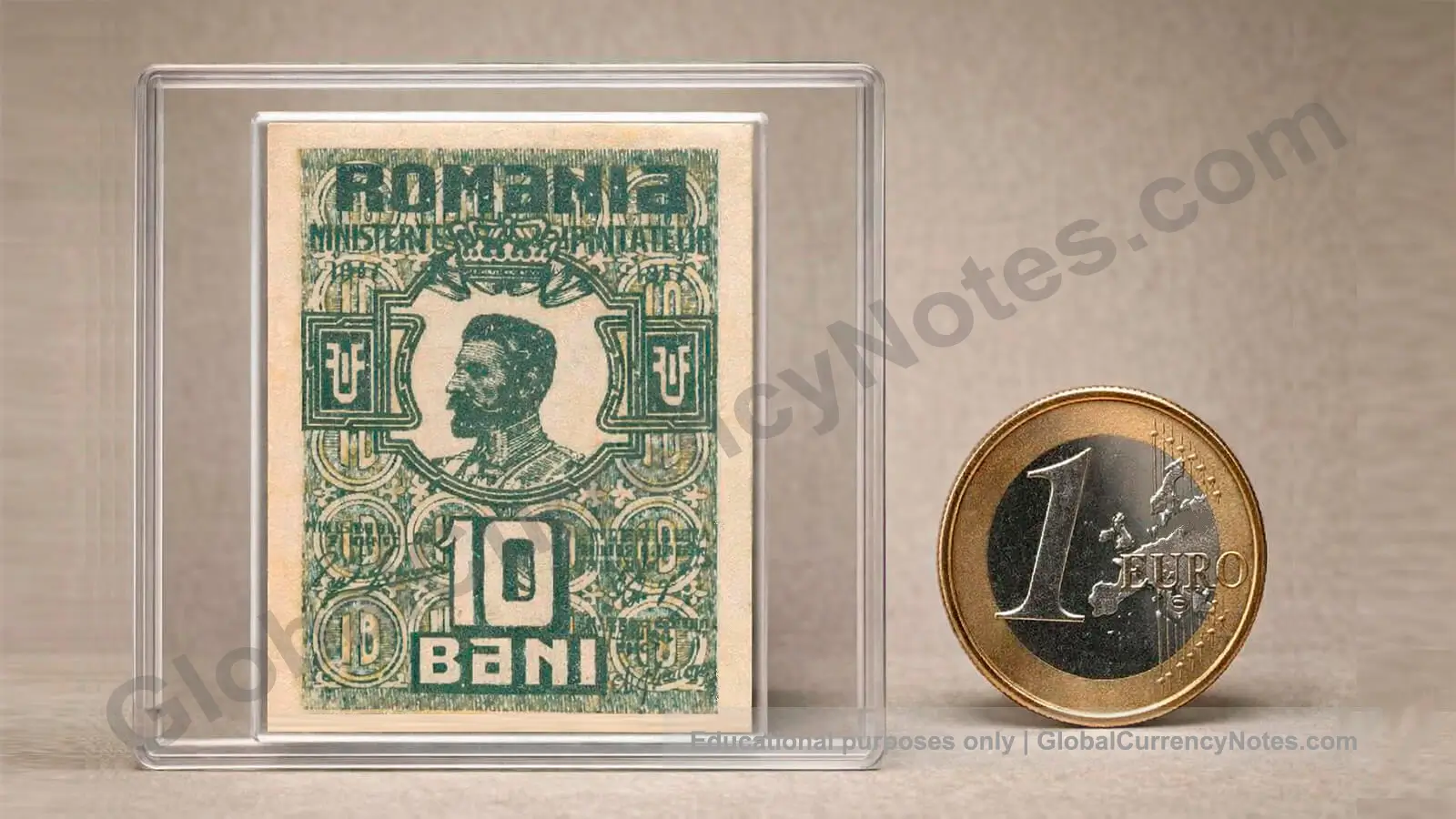
Smallest Banknotes: The Romania 10 Bani Record
Romania’s 10 bani note from 1917 holds the verified record as the world’s smallest official banknote at 27.5mm × 38mm according to numismatic documentation, roughly the size of a large postage stamp. The Romanian government issued these miniature notes during World War I when the country faced severe metal shortages preventing normal coin production. German occupation of major industrial areas had disrupted copper and bronze supplies essential for small denomination coinage, forcing emergency paper currency solutions.
Despite extreme size constraints, the 10 bani note incorporated essential currency elements. The obverse featured King Ferdinand I’s portrait within an ornate border, denomination markings, and official text identifying the issuing authority. Printing quality remained surprisingly detailed given the minimal surface area, using fine-line engraving techniques to maximize information density. The reverse displayed the Romanian coat of arms and additional security patterns, though simplified compared to larger denominations issued during the same period.
Production challenges for such small notes were substantial. Standard currency printing presses required modification to handle the unusual dimensions accurately. Paper cutting and handling became more difficult, increasing waste during manufacturing. Security features that worked effectively on regular-sized notes often proved impractical at this scale. Watermarks, for instance, became nearly impossible to verify on such small paper surfaces. These practical difficulties explain why extremely small banknotes remained rare even during periods of severe economic stress, as the technical and economic costs often outweighed benefits.
Emergency Currency and War-Time Issues
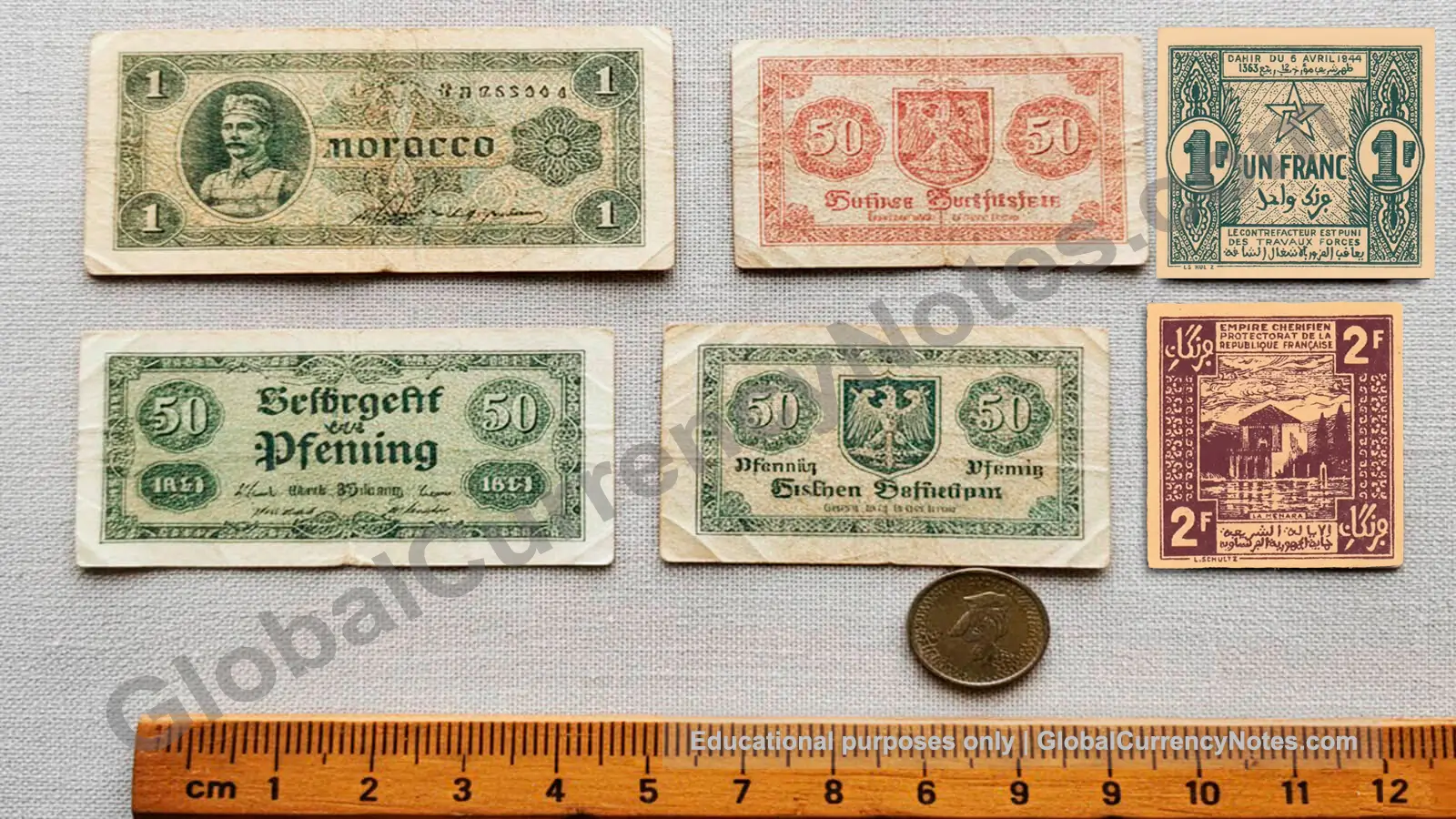
World War I generated numerous small emergency notes across Europe as metal shortages created coin scarcity. Germany produced extensive Notgeld, or emergency money, with many municipalities and businesses issuing their own temporary currency according to Bundesbank historical records. Some German emergency notes measured as small as 30mm × 40mm, approaching the Romanian record. These notes typically featured simple designs due to limited printing capabilities in smaller cities and towns lacking sophisticated equipment.
Morocco issued remarkably small banknotes during World War II, with 1 franc notes measuring approximately 40mm × 60mm based on surviving specimens. The French protectorate administration faced metal shortages similar to those affecting European nations, requiring paper substitutes for small denomination coins. These Moroccan emergency notes used simplified designs with bold typography to ensure readability despite compact dimensions. Production occurred locally using available printing resources rather than sophisticated currency printing facilities.
The practical motivations behind small emergency currency centered on material conservation during wartime scarcity. Smaller notes required less paper per unit, important when wartime shortages affected all resources. Simpler designs with fewer colors reduced ink consumption and printing complexity. Governments could produce larger quantities of small notes with limited materials, maintaining currency supply despite resource constraints. These economic factors outweighed the obvious disadvantages of handling and durability that came with miniature formats, though such compromises were understood as temporary wartime measures.
Fractional Currency and Small Denominations
The United States issued fractional currency during and after the Civil War, with some notes measuring quite small by modern standards. The smallest US fractional notes measured approximately 38mm × 50mm according to Bureau of Engraving and Printing records, used to replace coins that had disappeared from circulation due to metal hoarding. These notes represented denominations from 3 cents to 50 cents, filling the gap left by absent silver and copper coinage. Production spanned from 1862 to 1876, with five distinct series issued as economic conditions gradually normalized.
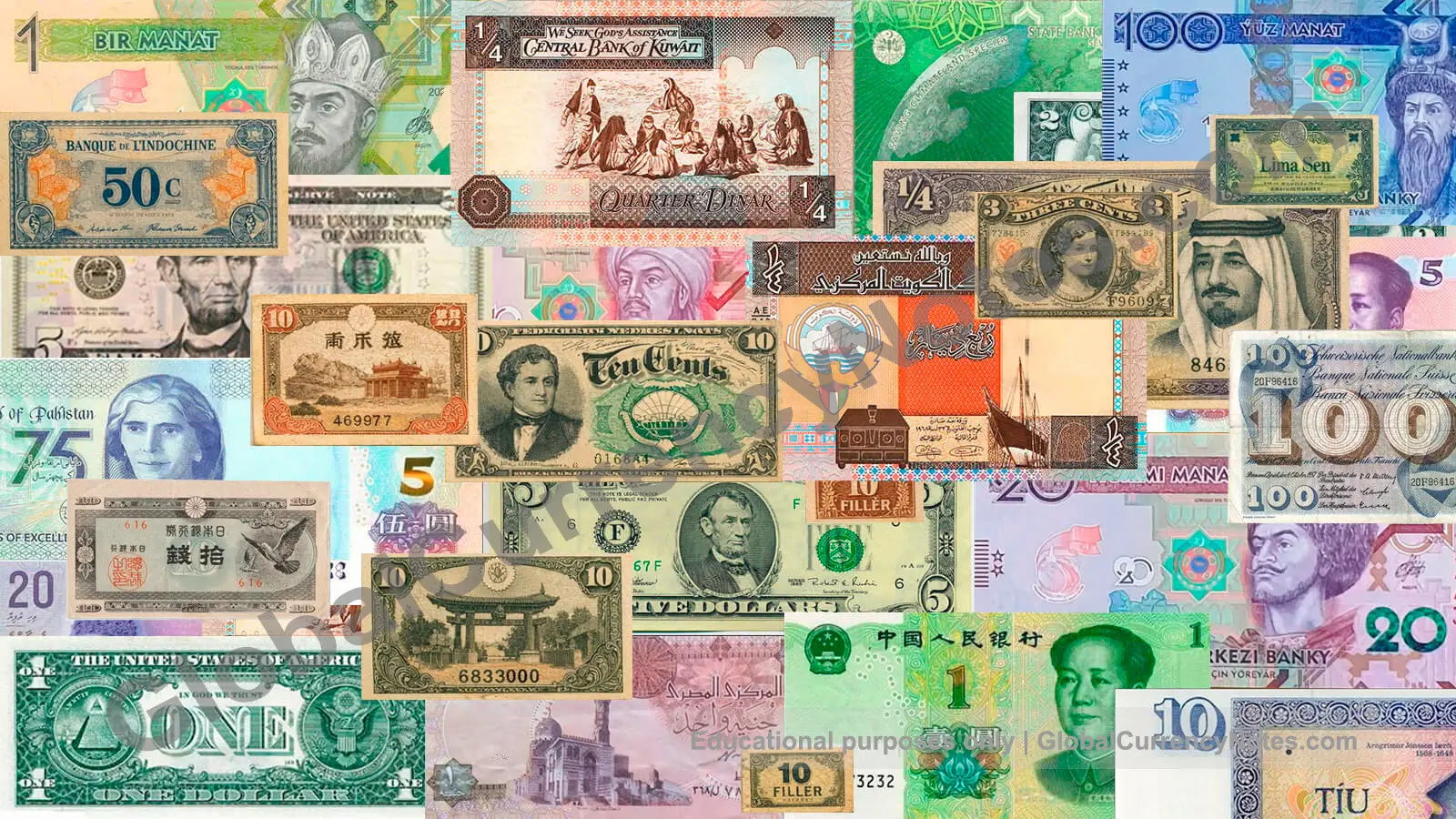
Kuwait’s quarter and half dinar notes, while not record-breaking in size, represent modern examples of compact currency design. These polymer notes measure smaller than most contemporary currency, approximately 110mm × 60mm for the quarter dinar. The Central Bank of Kuwait designed these compact notes for everyday transactions requiring small denominations, optimizing size for wallet storage while maintaining security features expected in modern currency.
Small denomination notes face unique design challenges balancing functionality with security. Traditional watermarks become difficult to verify on compact surfaces. Security threads must be thinner or positioned more carefully to avoid dominating limited space. Color-shifting inks and other advanced features require precise application on reduced areas. Modern polymer technology helps address some challenges through transparent windows and other features that work effectively at smaller scales, though fundamental space limitations remain significant constraints on security feature integration.
Technical Challenges of Smallest Banknotes Production
Printing technology imposed significant constraints on minimum banknote sizes throughout history. Intaglio printing, the standard for high-security currency, requires substantial pressure to transfer ink from engraved plates to paper. Very small notes can tear or distort under this pressure, particularly when using the thin paper common in emergency issues. Printers often resorted to simpler lithographic or letterpress techniques for miniature notes, sacrificing some security for manufacturing feasibility. This trade-off between security and production capability characterized most emergency smallest banknotes issued during crisis periods.
Security feature integration becomes exponentially more difficult as size decreases. A watermark requires minimum paper dimensions to be recognizable, typically around 20mm for simple designs according to currency production standards. Security threads need adequate border space to prevent easy removal or counterfeiting. Microprinting, effective on standard notes, becomes nearly impossible to reproduce or verify on surfaces measuring less than 40mm in any dimension. These technical realities explain why most extremely small notes appeared during emergencies when security took secondary priority to rapid production addressing immediate currency shortages.
Durability presented major concerns for smallest banknotes in circulation. Limited surface area meant higher wear concentration from normal handling. Edges and corners degraded faster on compact notes because folds and creases affected proportionally larger areas. Most extremely small emergency notes saw brief circulation periods before withdrawal, partly due to rapid deterioration under intensive use. Modern collectors typically find these notes in worn condition, with pristine examples commanding significant premiums due to survival rarity and the fragile nature of the original materials.
Historical Context and Economic Necessity
Metal coin shortages created the primary impetus for small paper currency throughout history. During World War I, combatant nations redirected copper and bronze to ammunition production, leaving insufficient metal for coinage. Civilian populations hoarded existing coins for their metal value, further reducing circulating supply. Governments responded with emergency paper notes representing denominations previously handled exclusively as coins, accepting paper’s inferiority for small transactions as a necessary wartime compromise.
Economic factors made paper production more feasible than metal coinage during crises. Paper and printing costs, while not negligible, remained substantially lower than metal procurement and minting expenses when metals became scarce or prohibitively expensive. A single sheet of paper could yield multiple small notes, maximizing resource efficiency. Printing presses, though requiring modification for miniature formats, proved more adaptable than mint equipment designed specifically for coin production. These practical economics drove the emergency adoption of smallest banknotes despite their obvious handling disadvantages.
Inflation and currency devaluation sometimes accompanied the issuance of small emergency notes, though this varied significantly by country and circumstances. Notes issued purely as metal substitutes typically maintained stable purchasing power during their brief circulation periods. However, broader economic instability during wartime could affect all currency denominations. The temporary nature of most miniature note issues limited their exposure to long-term inflationary pressures, as governments typically withdrew them and restored normal coinage once economic conditions stabilized after conflicts ended.
Collector Interest and Market Value
Numismatic interest in smallest banknotes centers on their unusual nature and historical significance. The Romania 10 bani note commands premium prices due to record-holder status and genuine scarcity. According to numismatic market observations, well-preserved examples have been reported to sell in ranges from approximately $200 to over $1,000 depending on condition and authentication, with pristine specimens potentially reaching higher prices. However, actual transaction prices vary significantly based on market conditions, buyer competition, and specific condition nuances that are difficult to quantify precisely.
Rarity stems both from limited original production and poor survival rates for such fragile notes issued during wartime disruption. Emergency circumstances meant many smallest banknotes circulated heavily before withdrawal, resulting in high wear rates. Storage conditions during and after wars often proved unfavorable to paper preservation. Collectors seeking these miniature specimens face authentication challenges, as the simple designs and printing techniques used for rapid emergency production can be difficult to verify without specialized expertise.
Market values for smallest banknotes reflect multiple factors beyond simple rarity. Professional grading significantly impacts prices, with the difference between worn and uncirculated examples spanning orders of magnitude. Provenance documentation adds value when notes come from recognized collections. Authentication certification from established services provides confidence to buyers but adds cost to acquisition. Understanding how size extremes at both ends of the spectrum attract collector interest helps explain sustained demand for these historical curiosities despite their lack of practical monetary value.
Modern Compact Currency Design
Contemporary currency design generally favors standardization over size variation, but some nations maintain compact formats for practical reasons. Polymer technology enables smaller secure notes than possible with traditional paper currency. The Reserve Bank of Australia pioneered polymer banknotes in 1988, and subsequent polymer issues from various countries sometimes feature more compact dimensions than their paper predecessors while maintaining equivalent security.
Modern smallest banknotes, while larger than historical emergency issues, balance practical handling requirements with security needs. Automated currency handling equipment establishes de facto minimum sizes, as machines require consistent dimensions for reliable processing. ATMs, currency counters, and vending machines impose standardization pressure that limits size variation in contemporary currency systems. This technological infrastructure makes a return to extremely small banknotes unlikely even if material scarcity emerged as a concern.
The global trend toward cashless payments may reduce future demand for physical small denomination currency. Digital transactions handle fractional amounts more efficiently than tiny banknotes ever could. Some countries have eliminated low-value notes entirely, rounding transactions to higher denominations or relying on coins and electronic payment methods. This suggests extremely small banknotes will likely remain historical curiosities rather than evolving into modern currency formats despite available technology that could theoretically enable secure miniature production.
Frequently Asked Questions About Smallest Banknotes
Why did countries issue such small banknotes?
Small banknotes emerged primarily during wartime metal shortages when governments could not produce sufficient coins for everyday transactions. World War I and II created severe copper and bronze scarcity as these metals were redirected to ammunition and military equipment production. Civilian populations hoarded existing coins for their metal value, further reducing circulating supply. Paper notes, even in miniature formats, provided the only practical way to maintain small denomination currency supply during these crises. Economic factors also played a role, as paper production proved more feasible than metal coinage procurement during resource-constrained wartime conditions. However, specific circumstances varied significantly by country and time period.
How did people use banknotes smaller than a business card?
Despite awkward size, these tiny notes circulated like regular currency for everyday purchases during their period of use. Users typically stored them in coin purses or small compartments rather than standard wallets designed for larger notes. Merchants and businesses developed handling procedures to prevent loss of the miniature denominations. The notes often saw heavy wear and frequent replacement due to their fragile nature and intensive handling required for small-value transactions. Most remained in circulation only briefly before economic conditions allowed return to normal-sized currency or coinage. Actual usage patterns varied by region and economic circumstances, and historical documentation of everyday handling practices remains limited.
Are smallest banknotes still legal tender today?
Most extremely small historical notes have been demonetized and no longer hold legal tender status according to available records. Emergency issues from World War I and II were typically withdrawn shortly after crises ended and metal coinage production resumed. Romania’s 10 bani note has not been valid currency for over a century. However, some countries maintain legal tender status for old notes indefinitely even when no longer in circulation, making verification with current issuing authorities advisable for specific cases. Legal tender status varies significantly by jurisdiction and specific note issue, and policies can change over time. This information should not be considered legal advice regarding currency validity.
What security features could fit on such small notes?
Extremely small notes necessarily sacrificed many security features common on standard currency due to physical space limitations. Most relied on paper quality, official seals or stamps, and fine-line engraving that would be difficult for counterfeiters to reproduce accurately with period technology. Watermarks, when used, were extremely simple due to space constraints. Serial numbers often appeared in condensed formats or were omitted entirely on the smallest specimens. The emergency nature of most miniature note issues meant security took lower priority than rapid production to address immediate currency shortages. Effectiveness of these limited security features varied considerably, and authentication of historical specimens can be challenging even for experienced numismatists.
How much do the smallest banknotes cost for collectors?
Prices vary widely based on rarity, condition, historical significance, and market conditions at the time of transaction. The Romania 10 bani note has been reported to sell in ranges from approximately $200 to over $1,000 depending on grade, with exceptional specimens potentially commanding higher prices. Common German Notgeld pieces in small formats often trade in ranges from approximately $5 to $30, making them relatively affordable collectibles. US fractional currency ranges from approximately $20 for common worn examples to several hundred dollars or more for scarcer issues in better condition. However, actual transaction prices depend on numerous factors including collector demand, authentication certification, market trends, and individual buyer-seller negotiations. These price ranges are approximate observations and should not be considered current market valuations or investment guidance.
Did any modern countries issue very small banknotes?
Modern currency generally maintains standardized dimensions for handling efficiency and machine compatibility. While some contemporary notes are more compact than historical standards, none approach the miniature dimensions of emergency issues from the World War eras. Kuwait’s quarter dinar represents among the smaller modern notes at approximately 110mm × 60mm, but this still far exceeds the Romania 10 bani’s 27.5mm × 38mm dimensions. Practical considerations including automated equipment compatibility, security feature integration, and handling efficiency limit minimum viable sizes for contemporary currency. The trend toward standardization in modern monetary systems makes future issuance of extremely small banknotes unlikely, though individual countries retain authority to determine their own currency specifications.
How were these tiny notes printed without modern technology?
Small emergency notes typically used simpler printing methods than standard currency due to equipment and resource limitations during crisis periods. Many employed letterpress or basic lithographic techniques rather than complex intaglio printing requiring specialized equipment. Local printers often produced emergency issues using available presses and materials rather than dedicated currency printing facilities. Designs emphasized bold typography and simple graphics that could be produced reliably with basic technology. This practical approach accepted reduced security and aesthetic quality as necessary compromises to rapidly produce urgently needed small denomination currency during crisis periods. The specific printing methods varied significantly based on available resources and local printing capabilities in different regions and time periods.
Disclaimer: Information provided is for educational purposes only and does not constitute professional advice. Banknote standards and regulations vary by jurisdiction and are subject to change. Readers should exercise their own judgment. For full legal disclosures and liability limitations, visit our Legal Notice.