Part of: Banknote Circulation & Handling
Understanding when older currency designs remain valid for use and how to handle worn or damaged physical money in everyday situations.
Can you still use old banknotes? In most countries, yes—older currency designs generally remain valid for use as long as they haven’t been officially demonetized and the note’s condition allows for clear identification of its denomination. According to the Federal Reserve, you can typically use banknotes regardless of their design date, since many countries maintain that older currency series remain legal tender indefinitely, though policies vary by jurisdiction and individual businesses may refuse heavily worn notes.
The distinction between «old design» and «worn condition» matters significantly when determining usability. Notes featuring outdated designs typically remain fully valid in most monetary systems, while notes showing physical damage face different acceptance standards that can vary by institution, automated system, and local practice.
Understanding these guidelines helps you know when older currency remains usable, when it may need replacement, and how to exchange notes that no longer meet circulation standards in your jurisdiction.
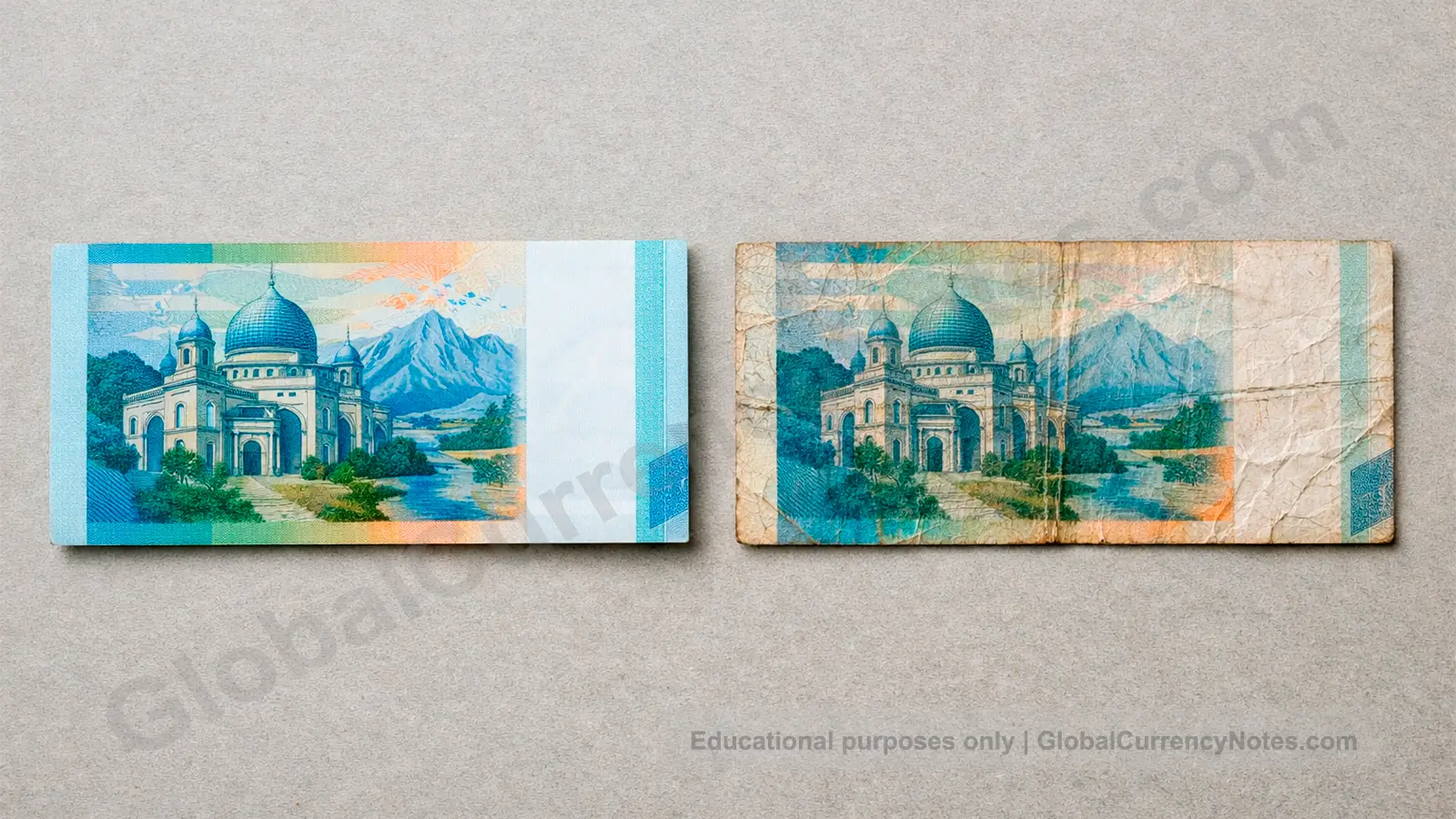
Old Design vs. Worn Condition: Key Differences
Many people confuse «old design» notes with «worn condition» notes, but these represent different situations with different rules. Old design banknotes feature outdated visual designs that central banks have replaced with newer versions, while worn notes show physical deterioration from circulation use.
In the United States, according to the Federal Reserve, notes issued since certain historical periods generally remain legal tender regardless of design updates. The European Central Bank maintains that euro banknotes from the first series (introduced in 2002) remain fully valid alongside newer designs in the Europa series, according to ECB guidance.
However, policies vary significantly by country. Some monetary authorities set expiration dates for older series, while others maintain indefinite validity. Always verify current policies with your local central bank or monetary authority.
When Design Series Stop Circulating
Although older design notes may remain legal tender, central banks often gradually withdraw them from active circulation. This typically happens years after introducing replacement designs. Withdrawal from circulation differs from demonetization—withdrawn notes can often still be used but are removed when they pass through banking systems.
Demonetization—declaring notes completely invalid—occurs less frequently in stable monetary systems, though some countries use it to address counterfeiting concerns or other policy objectives. When demonetization occurs, central banks typically provide exchange periods allowing holders to convert old notes.
Acceptability Standards for Worn Currency
Physical condition affects whether worn notes remain acceptable for transactions. Both merchants and financial institutions follow general guidelines, though specific standards vary significantly by country, institution, and sometimes individual location.
Many banking systems use general thresholds for note acceptability. A commonly referenced guideline suggests that if a substantial majority of a note’s original surface area remains, it may retain value for exchange purposes. However, exact thresholds vary by jurisdiction, and these are guidelines rather than universal legal requirements. According to the Bank of England, assessment criteria can include multiple factors beyond simple percentage measurements.
Commercial banks generally accept worn notes that meet several criteria: the denomination must be clearly identifiable without special examination, essential security features should remain intact enough for authentication, and the note should not require special tools or expert knowledge to verify. However, individual bank policies vary.
Common Wear Issues
Different types of wear affect acceptability differently, though practices vary by institution. Light soiling and creases rarely cause problems in most systems, as most circulated notes show these signs. Small edge tears may not prevent use if they don’t extend significantly into the note’s main body. Writing or stamps on notes generally don’t affect validity unless they obscure security features or denomination markings, though policies vary.
More serious damage often leads to refusal, though specific thresholds differ by institution. Significant holes, large missing portions, water damage that makes features illegible, or damage causing the note to separate into pieces typically requires exchange through banking channels rather than direct use in transactions.

Where Worn Currency May Be Refused
Merchants can often legally refuse heavily worn notes even though they may remain legal tender. Legal tender laws typically apply primarily to settling existing debts rather than to point-of-sale purchases in many jurisdictions. A store generally has the right to refuse payment methods before completing a transaction, though this varies by local law and some jurisdictions require cash acceptance.
Automated systems frequently reject worn notes that human clerks might accept. ATMs use sensors to detect note condition and may refuse bills with wear, tears, or markings that wouldn’t prevent manual acceptance. Self-service checkout machines can fail to recognize faded or wrinkled notes. Vending machines typically require notes in better condition due to simpler validation technology.
International travelers face additional challenges with worn currency. Currency exchange bureaus often refuse worn foreign notes because they must process returns through banking channels and may face acceptance issues. Policies for accepting worn notes can be more restrictive for foreign visitors in some countries.
Business Policies on Damaged Money
Many retailers establish internal policies about accepting worn currency. Larger chains often train staff to refuse notes with significant damage. Different business types may have varying policies based on their banking relationships and operational considerations.
Smaller businesses sometimes show more flexibility about accepting worn notes, especially in areas where banking access is more limited, though this varies widely by location and individual business practice.
Exchanging Worn Currency at Banks
Commercial banks provide a primary avenue for exchanging worn or damaged currency in most banking systems. Many banks exchange worn notes for customers, though policies vary significantly by institution, account status, and jurisdiction.
The exchange process typically involves presenting worn notes to a bank representative and requesting exchange for better-condition currency. Many institutions process exchanges for reasonable amounts without extensive procedures, though specific policies, limits, and any applicable fees vary by bank. Account holders may receive different treatment than non-customers, and policies can differ significantly between institutions.
Calling ahead helps clarify specific policies, determine if appointments are needed, and understand any limitations on exchange amounts or account requirements.
What Banks Evaluate
Bank staff typically evaluate several factors when assessing worn notes. They verify the denomination is clearly visible and matches security features where present. They assess whether sufficient portions of the original note remain for authentication. They check that security features are present and appear genuine to the extent visible on the damaged note.
If notes fail to meet institutional standards for direct exchange, banks may direct customers to submit them to central bank mutilated currency programs where available, though procedures and availability vary by country.
Central Bank Mutilated Currency Programs
Many central banks operate programs to redeem severely damaged currency that commercial banks won’t accept. These programs serve as a last resort for currency holders unable to exchange damaged notes through normal banking channels.
Redemption procedures vary significantly by country. Some central banks require mail submission with detailed explanation of how damage occurred. Processing times can range from several months to over a year depending on case complexity, submission volume, and the institution’s resources. Not all damage types qualify for redemption, and each case receives individual evaluation.
The U.S. Bureau of Engraving and Printing operates one such program, though specific procedures, requirements, and timelines should be verified through current official sources. Other countries’ central banks maintain similar programs with their own unique procedures and criteria.
What Qualifies for Redemption
Qualification criteria vary by central bank, but generally focus on demonstrating that the submitted material represents genuine currency. Authorities may require sufficient remnants to verify authenticity and denomination. Deliberately mutilated currency may face additional scrutiny or disqualification in some jurisdictions.
Each central bank publishes its own criteria, procedures, and documentation requirements. Always consult the relevant authority’s official guidance for current requirements rather than relying on general information.

Special Cases and Exceptions
Certain situations create unique challenges for damaged currency. Contaminated currency—exposed to chemicals, bodily fluids, or hazardous materials—often requires special handling procedures that vary by institution. Many banks refuse contaminated notes and may direct customers to mail them to central bank facilities with detailed explanations, though specific procedures vary.
Deliberately defaced currency faces different treatment in various jurisdictions. Some countries have laws regarding currency defacement, though enforcement varies. Banks may refuse heavily marked notes, and automated systems typically reject them. Acceptance practices for stamped or marked notes vary widely.
Notes accidentally damaged by businesses—such as in cash register malfunctions—generally get replaced through the business’s banking relationships, though specific practices depend on individual circumstances and institutional policies.
Tips for Avoiding Currency Damage
Proper handling can help extend banknote lifespan and reduce exchange difficulties. Consider storing currency flat rather than folded to minimize creasing. Keeping notes dry helps prevent water damage. Avoiding rubber bands can prevent deterioration staining over time.
Currency organizers designed specifically for banknotes may help prevent edge tears. When traveling with cash, protective wallets or storage can help shield notes from moisture and physical stress. Separating emergency funds from daily-use money may help keep backup currency in better condition.
However, even with careful handling, normal circulation causes wear over time. These tips may help but cannot prevent all damage during typical use.
Polymer Notes and Durability Improvements
Many countries have transitioned or are transitioning to polymer (plastic) banknotes partly to address durability issues. Polymer notes are designed to last longer than traditional paper notes in circulation, though exact lifespan improvements vary by design, circulation patterns, and usage conditions.
Polymer notes resist certain types of damage better than paper, including water exposure and some tearing. They may maintain a cleaner appearance over time. However, they’re not indestructible—polymer notes can be damaged by high heat exposure or develop issues with repeated folding depending on design and material.
Countries using polymer currency include Australia, Canada, New Zealand, the United Kingdom, and others. Different countries have adopted polymer at different times and for different denominations. Some countries continue using traditional paper substrates while researching alternatives.
Frequently Asked Questions
Can I use a banknote that’s been taped back together?
Taped notes may be accepted in some circumstances if the tape doesn’t obscure important features and sufficient original note remains intact. However, many automated machines reject taped notes, and some merchants and financial institutions may refuse them. Banks often accept appropriately taped notes for exchange if they meet other criteria, though policies vary. The acceptability depends on the extent of damage, tape placement, and the specific institution or system involved.
Do banks charge fees to exchange worn banknotes?
Fee policies vary significantly by institution and jurisdiction. Many banks exchange worn currency for account holders without charge, while policies for non-customers vary widely. Some institutions may charge fees depending on amount, account status, or other factors. Always call ahead to confirm current policies at your specific bank, as practices differ and can change.
How long does mutilated currency redemption take?
Processing times vary significantly by country, central bank workload, and case complexity. Some programs report typical processing periods of several months to over a year, though individual cases may take more or less time. Simple cases may resolve faster, while complex situations requiring extensive examination take longer. Contact your central bank directly for current processing time estimates, as timeframes vary and change based on submission volume and other factors.
Can I deposit worn banknotes through ATMs?
Most ATMs have sensors that may reject worn notes that humans might accept. ATM acceptance criteria are often stricter than manual acceptance. For worn currency, deposit through bank staff or check if your bank offers deposit ATMs with different technology that may be more accommodating. Specific capabilities vary by ATM type and financial institution.
Are old design banknotes worth more than face value?
Most older design notes in typical circulation condition are worth face value for spending purposes. However, notes in uncirculated condition, with unusual characteristics, or from certain historical periods may have collectible value above face value. If you suspect a note might have collectible value, consult a currency dealer or appraiser before spending it. Collectible value depends on many factors including rarity, condition, and collector demand.
What should I do with a banknote missing a portion?
If a significant portion remains, try exchanging it at your bank. If less than a majority remains, you may need to submit it to your central bank’s damaged currency program if available. Never attach pieces from different notes together—this can raise legal concerns in many jurisdictions. Procedures and thresholds for acceptance vary by country and institution—verify current requirements with your bank or central bank.
Can merchants refuse cash altogether?
In many jurisdictions, businesses have the right to set payment policies including refusing cash, though this varies significantly by location. Legal tender laws often apply primarily to debt settlement rather than point-of-sale purchases. However, some jurisdictions have enacted laws requiring cash acceptance for financial inclusion reasons. Local laws vary—check regulations in your specific area. Businesses that refuse cash typically must clearly communicate this policy to customers.
Disclaimer: Information provided is for educational purposes only and does not constitute professional advice. Banknote standards and regulations vary by jurisdiction and are subject to change. Readers should exercise their own judgment. For full legal disclosures and liability limitations, visit our Legal Notice.