Part of: Banknote Authentication
This article is part of the Banknote Authentication hub, covering methods to verify banknote authenticity and detect counterfeits.
Check a banknote by hand using the widely recommended «feel, look, and tilt» technique—a systematic three-step approach that allows verification using only your senses, without requiring special equipment. Central banks worldwide, including the European Central Bank and Bank of England, recommend this method for everyday currency verification.
Important: While these techniques help identify many common counterfeits, they are not foolproof. Sophisticated counterfeits may pass basic manual checks. This method provides a practical first line of defense but does not guarantee detection of all counterfeits. For high-value transactions, rare notes, or when authenticity is uncertain, professional authentication services should be used.
Genuine banknotes incorporate multiple security features designed to engage different senses simultaneously. While counterfeiters may successfully replicate individual elements, reproducing the complete combination of visual, tactile, and optical characteristics generally proves challenging. By checking several features in sequence, you can improve your ability to identify potential counterfeits.
Why the Look-Feel-Tilt Method Works
Modern banknotes are engineered with layered security that operates on three complementary levels:
- Visual features: Elements visible to the naked eye or when held to light—watermarks, security threads, print quality, and embedded patterns
- Tactile features: Texture and raised printing detectable by touch, created through specialized printing techniques difficult to replicate with standard equipment
- Optical features: Dynamic elements that change appearance when viewed from different angles—holograms, color-shifting inks, and optically variable devices
This three-dimensional approach to security makes comprehensive counterfeiting economically challenging for most potential forgers. Even sophisticated counterfeits may show weaknesses when subjected to all three verification steps, though no manual method guarantees detection of all counterfeits.
Step 1: Look at the Banknote Carefully
Visual inspection forms the foundation of manual authentication. This initial examination requires good lighting and careful attention to detail.
General Visual Inspection

Begin by examining the note under normal lighting conditions:
- Print quality: Genuine notes typically show sharp, clear images and text without blurring or broken lines. Portrait details, fine border patterns, and small text should appear crisp and well-defined. Counterfeit printing often produces fuzzy edges, smudged areas, or visible dot patterns from digital printing
- Color accuracy: Compare colors to other notes of the same denomination when possible. Genuine notes generally display consistent, vibrant colors. Counterfeits may show washed-out or incorrect color reproduction
- Paper quality: Examine the substrate’s appearance. Authentic banknotes use specialized materials—cotton-based paper or polymer plastic—that look distinctly different from ordinary paper
- Serial numbers: Check that serial numbers are evenly spaced, properly aligned, and printed in the correct font and color. If examining multiple notes, verify that each has a unique number—identical serials indicate counterfeits
Inspection Against Light
Hold the note up to a strong light source to reveal embedded security features:
- Watermark: A tonal image becomes visible when backlit, created by paper density variations during manufacturing. Genuine watermarks typically show smooth tonal gradation and appear identical from both sides of the note. Counterfeit watermarks are often printed on the surface and may show only from one side, or appear visible without backlighting
- Security thread: Look for a thin strip embedded within the note’s structure, visible as a dark line when held to light. On many currencies, this thread contains microprinted text showing the denomination or currency name. The thread should be woven into the substrate, not glued to the surface. Some modern notes feature windowed threads that alternately appear on the surface and disappear into the paper
- See-through register: Some banknotes include partial designs printed on front and back that align when held to light, creating a complete image. This precise registration can be difficult to achieve in counterfeit attempts
- Transparent windows (polymer notes): Polymer substrates can incorporate clear sections containing printed elements, holograms, or shadow images visible from both sides
Specific Currency Examples
US Dollar ($100): The watermark shows Benjamin Franklin’s portrait matching the main printed image. The blue security ribbon contains images of bells and «100» that move when tilted.
Euro Notes: Watermarks show architectural windows or gateways plus the denomination value. The security thread contains microprinted text «EURO» and the denomination number.
British Pound (polymer): Clear window with printed elements visible from both sides. Multiple security features integrated into the transparent section.
Step 2: Feel the Banknote Texture
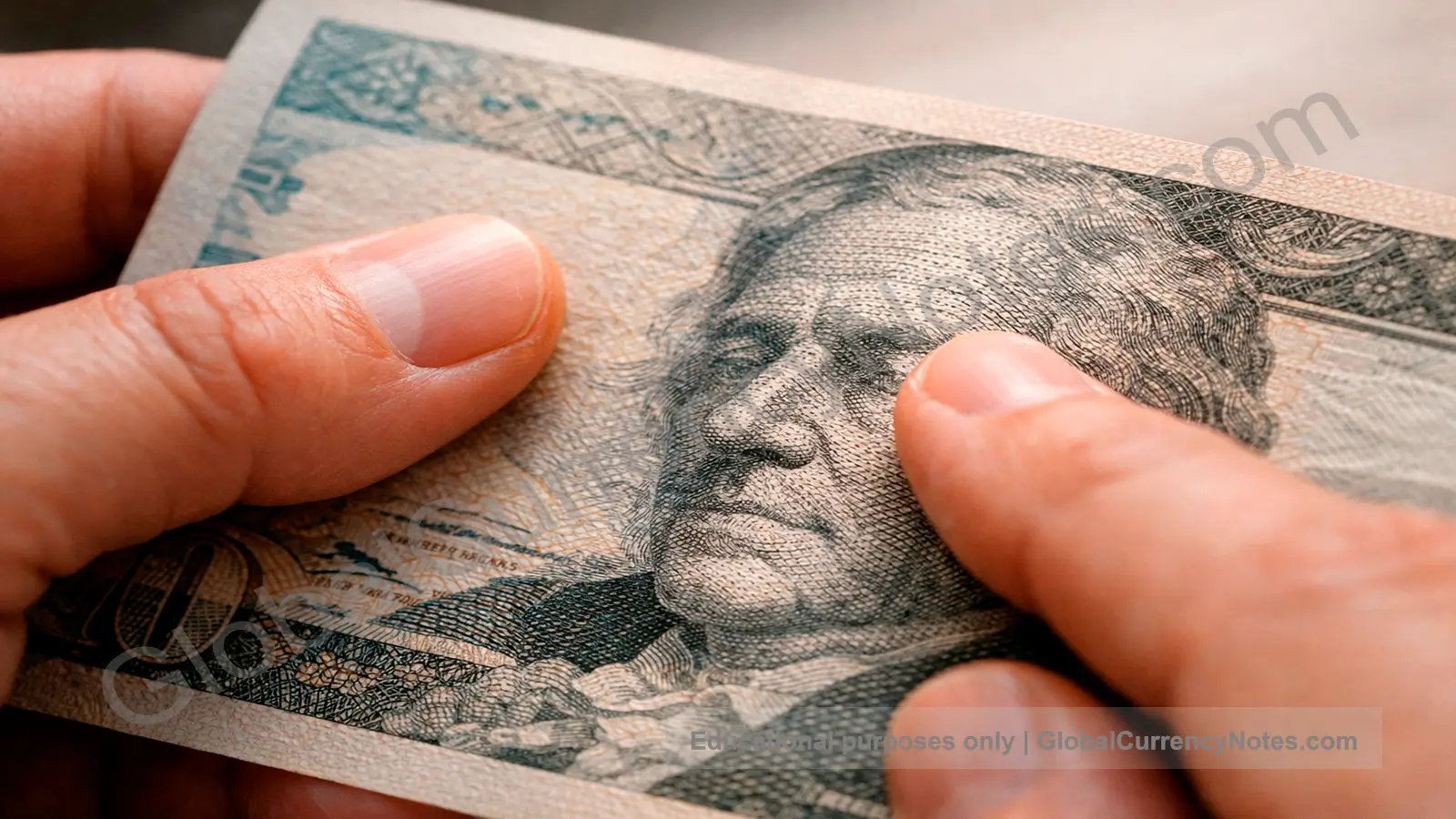
Tactile verification can provide additional confirmation beyond what visual inspection reveals. The physical feel of genuine currency results from specialized materials and printing techniques.
Substrate Texture
The banknote material itself has distinctive characteristics:
- Paper notes: Cotton-based substrates typically feel crisp and firm, distinctly different from ordinary wood-pulp paper. The texture combines slight roughness with flexibility. Genuine paper notes generally resist tearing while allowing folding without immediately developing permanent creases
- Polymer notes: Plastic substrates feel smooth and slightly slippery, with a characteristic «snap» when held taut. When crumpled, polymer typically returns to a relatively flat state, unlike paper which retains wrinkles
Raised Printing (Intaglio)
Many banknotes use intaglio printing, which deposits thick ink layers creating raised texture detectable by fingertips:
- Where to check: Run your finger across portrait areas, large denomination numbers, and main text elements. These typically show the most pronounced raised texture
- What to feel: Genuine intaglio typically creates subtle but definite elevation. The texture should feel consistent across similar elements. Counterfeit attempts at raised texture often feel irregular, too smooth, or artificially added rather than integral to the printing
- Edge quality: Feel the note’s edges. Genuine notes typically have cleanly cut edges without fraying or rough texture
Advanced Tactile Techniques
Trapezoid field method (used by some European banks): Gently pinch the note between thumb and forefinger in the area containing heavy intaglio printing. Roll your fingers slightly while maintaining light pressure. The raised texture should create distinct tactile feedback. This technique may help distinguish genuine intaglio from flat printed imitations.
Sound test: Hold the note at one corner and flick it sharply. Genuine notes often produce a characteristic rustling or snapping sound depending on substrate type. While not definitive, this can provide additional information when combined with other checks.
Specific Currency Examples
US Dollar: Heavy raised texture on portrait clothing, jacket lines, and collar details. The $100 note’s «100» in the lower right corner shows pronounced elevation.
Euro Notes: Raised printing on the main architectural image, particularly on doorways and windows. The large denomination number shows strong intaglio texture.
British Pound: Polymer notes have less pronounced raised texture than paper currencies but still incorporate intaglio elements in specific areas.
Step 3: Tilt the Banknote
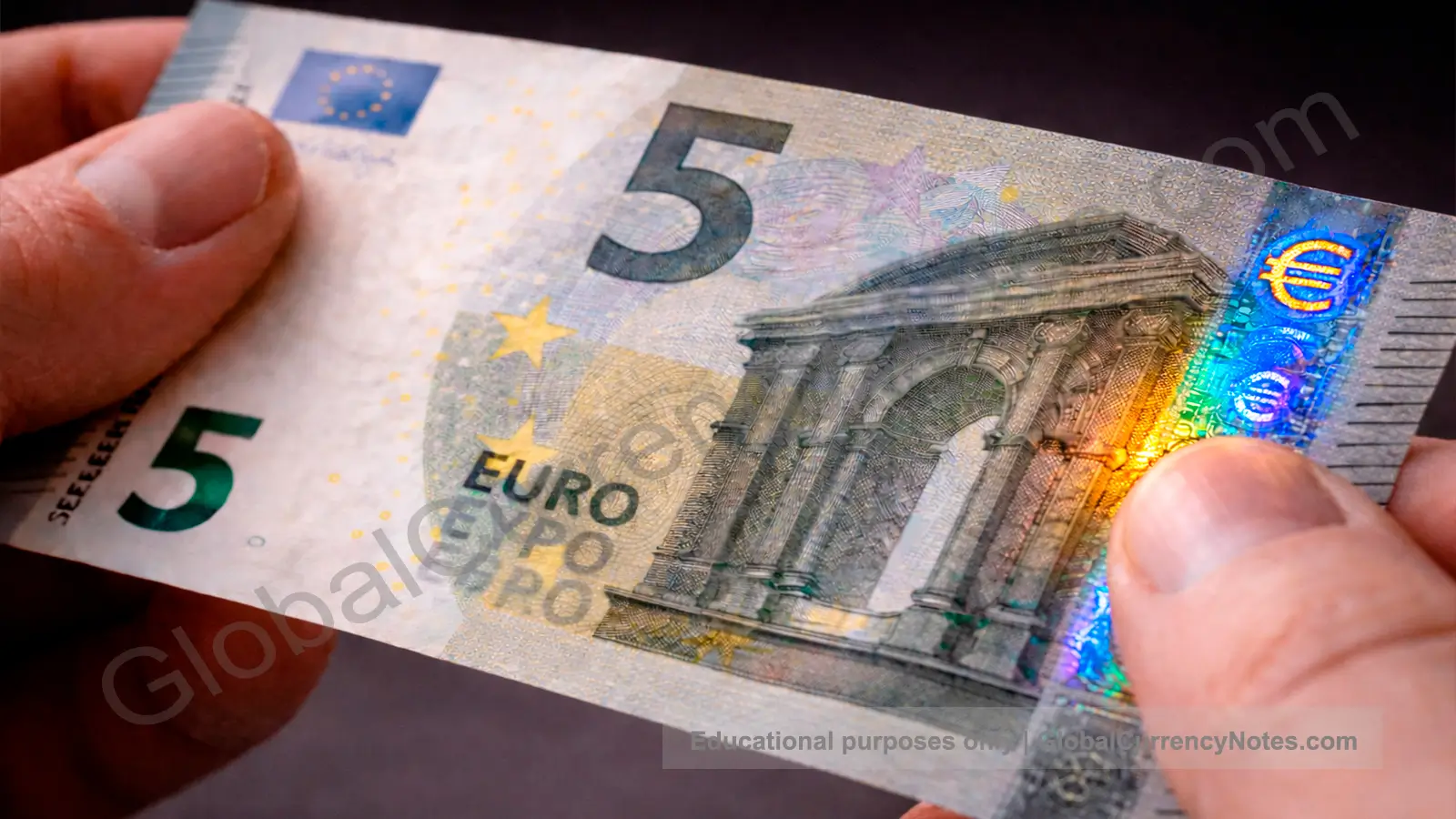
Optically variable features represent sophisticated security elements that are generally difficult to counterfeit convincingly. These features reveal themselves only when the note is tilted or viewed from different angles.
Color-Shifting Ink (Optically Variable Ink)
Many modern banknotes include special inks that change color when tilted:
- How to check: Hold the note at eye level and tilt it slowly back and forth, changing the viewing angle by approximately 45 degrees. Watch specific design elements—typically denomination numbers or symbols
- What to observe: The color should change smoothly and completely. Common color shifts include copper-to-green, gold-to-green, or purple-to-green. The transition should be vivid and unmistakable
- Movement direction: The effect typically works when tilting up and down, not side to side. Rotate the note 90 degrees and repeat the test—the effect should disappear or change significantly
Holograms and Holographic Elements
Holographic features display three-dimensional images or patterns that move and change when tilted:
- Image movement: Holographic elements may show images that appear to move, rotate, or reveal different pictures at different angles
- Metallic appearance: Genuine holograms typically have a distinctive metallic sheen with rainbow-like color effects. The three-dimensional depth should be evident
- Multiple elements: Advanced holograms incorporate several images or text elements visible at different tilt angles. Some show denomination numbers that appear and disappear as you change the viewing angle
Optically Variable Devices on Polymer Notes
Polymer banknotes often incorporate sophisticated optical features in transparent windows:
- Printed elements that appear differently from each side
- Shadow images that change appearance when backlit
- Metallic features integrated into clear sections
- Rolling bar effects where a bright bar appears to move across an image when tilted
Specific Currency Examples
US Dollar ($100): The bell in the copper inkwell shifts from copper to green when tilted. The blue ribbon shows bells changing to «100» and moving side to side when tilted.
Euro Notes: The emerald number in the lower left changes color from emerald green to deep blue. The holographic stripe shows denomination and Euro symbol with rainbow effects.
British Pound (£20 polymer): The foil incorporating the see-through window changes from purple to orange when tilted. Multiple optical effects visible at different angles.
Combining All Three Steps for Greater Confidence
While each verification method provides valuable information, using all three steps in sequence can provide greater authentication confidence:
- Look first: Quick visual assessment identifies obvious counterfeits without physical contact
- Feel second: Tactile confirmation verifies substrate quality and printing technique
- Tilt last: Optical features provide final verification of authenticity
This layered approach means that even if a counterfeit successfully replicates one or two security aspects, it may show weaknesses when subjected to the complete three-step examination. However, it’s important to remember that sophisticated counterfeits can sometimes pass these basic checks, and this method should not be considered foolproof.
Common Mistakes and How to Avoid Them
Mistakes in Visual Inspection
- Checking in poor lighting: Insufficient light prevents proper examination of print quality and subtle details. Always verify in bright, natural light when possible
- Not comparing to known genuine notes: Without reference points, detecting slight color or design variations becomes difficult. Keep a known genuine note for comparison when possible
- Focusing on only one feature: Relying solely on a single element—like checking only the watermark—misses other important security aspects
Mistakes in Tactile Checking
- Using too much pressure: Heavy pressure makes subtle texture differences harder to detect. Use light, gentle touch
- Checking wrong areas: Not all portions of a note have raised printing. Focus on portraits, large numerals, and main text
- Wet or dirty hands: Moisture or oils on fingers reduce tactile sensitivity. Ensure hands are clean and dry
Mistakes in Optical Testing
- Wrong tilt direction: Color-shifting ink typically works primarily when tilting up and down, not side to side
- Insufficient angle change: Small tilts may not reveal the full color transition. Use at least 45-degree angle changes
- Poor lighting for optical effects: Dim light makes color shifts and hologram effects less visible
Building Your Verification Skills
Practice with Genuine Notes
Developing reliable authentication skills requires hands-on practice:
- Study genuine notes of different denominations to understand how security features should look and feel
- Practice the three-step method repeatedly until it becomes natural and quick
- Compare old and new series of the same currency to understand how features evolve
- If possible, examine foreign currencies to see different security implementations
Speed vs Thoroughness
Balance checking speed with accuracy based on context:
- Quick check (5-10 seconds): Look for obvious issues, feel texture briefly, tilt for color shift. Suitable for routine small transactions
- Thorough check (30-60 seconds): Complete visual inspection with backlighting, detailed tactile examination, systematic optical feature verification. Appropriate for large-value notes or suspicious circumstances
When Manual Checking Isn’t Sufficient
Recognize situations requiring additional verification:
- Businesses handling high cash volumes should supplement manual checks with UV lamps or detection devices
- Very high-value transactions warrant machine authentication or professional verification
- If multiple red flags appear during manual checking, seek professional verification
- When accepting foreign currency, extra caution helps since familiarity with security features may be limited
- For rare, collectible, or historically significant notes, always use professional authentication services
What to Do If You Suspect a Counterfeit
If manual inspection raises doubts about a note’s authenticity, follow these general guidelines. Note that laws and procedures vary significantly by jurisdiction:
- Do not return the note to the person who gave it to you. They may be unaware it’s counterfeit, and situations can escalate unpredictably
- Do not attempt to use or pass on the note. Using known or suspected counterfeit currency may create legal complications even when done unknowingly, though consequences vary by jurisdiction
- Handle the note minimally and store it separately from genuine currency in a protective envelope to preserve potential evidence
- Note relevant details: Time, date, location received, physical description of the person if applicable, and circumstances of the transaction
- Contact appropriate authorities: Report to your bank, local law enforcement, or national central bank’s counterfeit reporting service. Follow their specific instructions for surrendering the suspected counterfeit
Important: Laws regarding counterfeit currency possession, use, and reporting vary significantly by country and jurisdiction. Legal consequences depend on specific circumstances and local regulations. When in doubt, consult local authorities or legal professionals for guidance specific to your situation.
Reporting suspected counterfeits helps protect others from receiving the same fake notes and assists authorities in tracking counterfeit operations.
Frequently Asked Questions
How long does it take to check a banknote using this method?
A quick verification takes approximately 5 to 10 seconds once you’re familiar with the process: glance at the note, feel the texture briefly, and observe one or two optical features. A thorough check examining all security features takes approximately 30 to 60 seconds. With practice, you can perform reliable quick checks for routine transactions while reserving detailed examination for larger amounts or suspicious circumstances. Speed increases with experience and familiarity with specific currencies.
Can this method work for all currencies?
The look-feel-tilt principle applies to most modern banknotes worldwide, though specific features vary significantly by currency. Before checking unfamiliar foreign currency, familiarize yourself with that currency’s particular security features through official central bank resources. The basic technique remains the same—only the specific elements to check differ. Some older banknote designs may lack certain modern security features.
Is manual checking reliable for businesses handling large amounts of cash?
Manual inspection serves as a useful first line of defense, but businesses processing high cash volumes should supplement it with additional tools like UV lamps, counterfeit detection pens (noting their limitations), or automated verification devices. The combination of trained human inspection and technological aids provides more comprehensive protection than manual checking alone. Manual methods are not foolproof and sophisticated counterfeits may pass basic checks.
What if a genuine note fails one of the tests due to wear or damage?
Heavily circulated notes may show worn security features—faded color-shifting ink, scratched holograms, or diminished raised texture. However, genuine notes typically retain enough recognizable features for verification. If a note appears authentic overall but one feature seems degraded, check additional security elements. When in doubt with a worn note, banks can verify authenticity and exchange it for a better-condition replacement. Extreme wear does not necessarily indicate counterfeiting.
Do I need to check every banknote I receive?
Risk assessment guides checking frequency. For routine small transactions from reputable sources, occasional spot checks may suffice. However, consider verifying when receiving larger denominations, conducting significant transactions, accepting payment from unfamiliar sources, or any situation that raises suspicion. In business settings, systematic checking of all large bills is generally prudent practice. Checking frequency depends on your risk tolerance and transaction context.
Are older banknote designs without modern security features still valid?
Generally yes, though policies vary by country. Older series typically remain legal tender until officially withdrawn, even if they lack contemporary security features like color-shifting ink or holograms. However, older designs may not be accepted by some automated machines and might receive extra scrutiny from retailers. When accepting older notes, focus on the security features they do contain—watermarks, print quality, and substrate characteristics. Check with the relevant central bank for specific information about older note series.
Can I learn this method from pictures or do I need hands-on practice?
While understanding the concepts helps, developing reliable verification skills requires hands-on practice. The tactile component especially demands physical experience—you cannot learn how genuine intaglio printing feels without actually touching banknotes. Start by practicing with genuine notes of various denominations until the look-feel-tilt sequence becomes natural and you can confidently identify authentic security features. Visual guides supplement but cannot replace physical practice.
Disclaimer: Information provided is for educational purposes only and does not constitute professional advice. Banknote standards and regulations vary by jurisdiction and are subject to change. Readers should exercise their own judgment. For full legal disclosures and liability limitations, visit our Legal Notice.