Part of: Banknote Types & Materials
Understanding the distribution infrastructure that moves physical currency from central bank vaults to public use through commercial banking networks.
How banknotes enter circulation involves a carefully coordinated process connecting central banks, commercial financial institutions, and cash distribution networks. According to the Federal Reserve, after being printed and quality-checked, new banknotes move from secure central bank vaults through commercial bank systems to ATMs, bank branches, and retail businesses where they reach the public. This journey typically takes several days to weeks and involves multiple security checkpoints, though exact timelines vary by country and urgency.
Understanding how currency enters circulation helps explain why some notes appear brand new while others show wear, and why cash availability can vary by location and season. The distribution system attempts to balance public demand with security requirements while managing billions of individual notes across complex logistics networks.
The circulation process involves both new notes entering the system and used notes being recycled back through it, creating a continuous flow of currency that supports economic transactions.
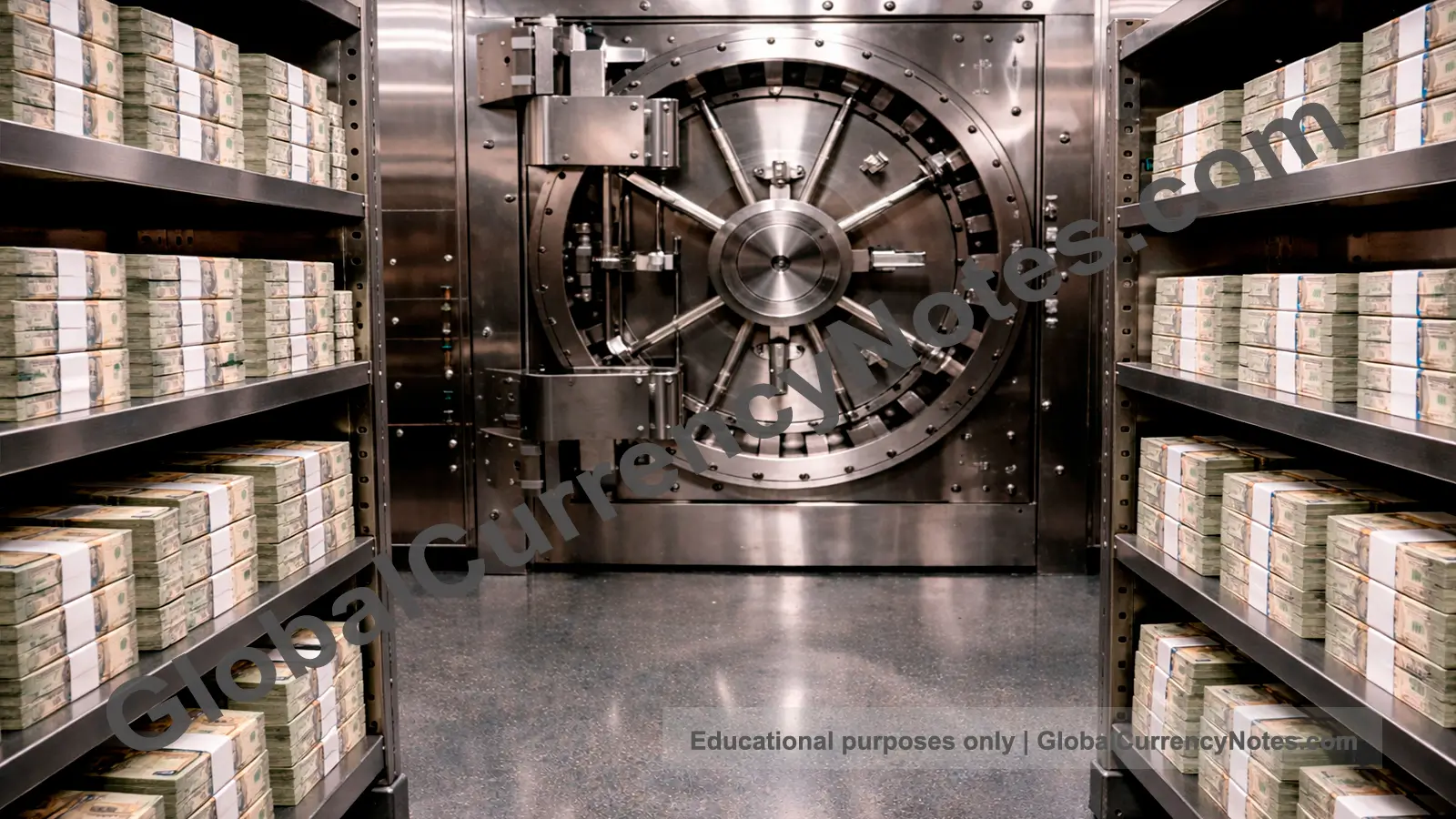
The Journey Begins: From Central Bank to Distribution
New banknotes typically start their circulation journey at central bank facilities. After printing is complete, notes arrive at secure central bank vaults where they undergo final quality checks. According to the European Central Bank, central banks maintain substantial reserves of new currency to meet anticipated demand from commercial financial institutions.
Commercial banks and credit unions order currency from the central bank based on their customers’ expected needs. These orders are placed regularly, with larger requests typically made before holidays, weekends, and major public events when cash usage historically increases.
The central bank generally charges commercial banks the face value of the notes. For example, a bank ordering currency pays the equivalent face value amount. The central bank then typically uses these funds to purchase government securities, earning interest that usually covers printing costs with any surplus often returned to the government treasury, though specific arrangements vary by country.
Transportation Security
Armored vehicles transport currency from central bank facilities to commercial bank cash centers. These shipments typically follow strict security protocols including GPS tracking, armed security personnel, and varied routes designed to prevent theft. The exact security measures employed vary by institution and jurisdiction.
Commercial Bank Distribution Networks
Commercial banks typically operate regional cash centers that serve as distribution hubs. These facilities receive bulk shipments from central banks and break them down into smaller quantities for individual branches. Larger banking organizations might operate multiple such centers covering different geographic regions.
Branch managers generally order cash from their regional centers based on historical patterns and anticipated needs. Banks use forecasting systems that consider factors like payroll schedules, government benefit payment dates, and local events. Order quantities and frequencies vary widely based on branch size, location, and customer demographics.
Automated Teller Machines (ATMs)
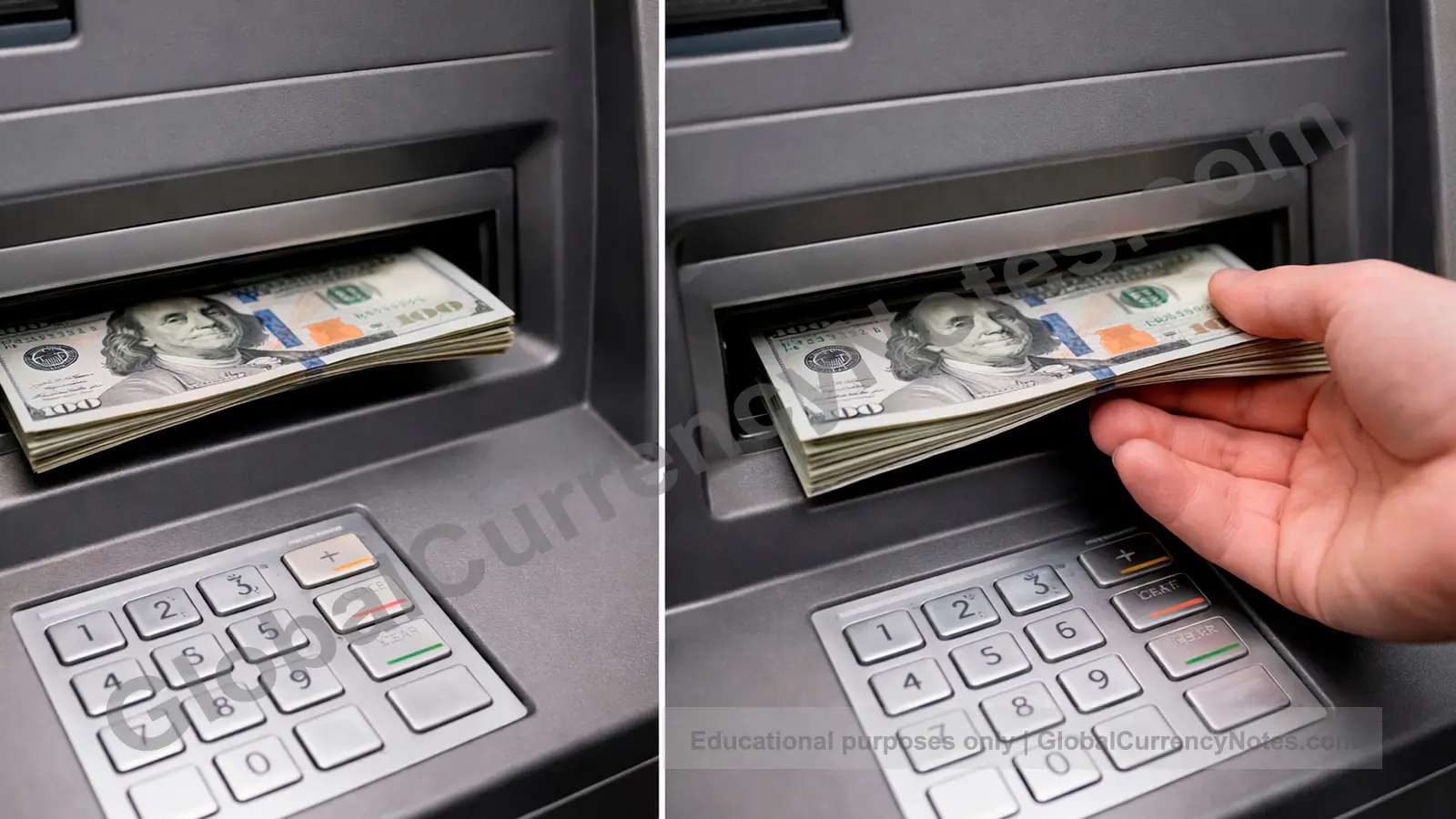
ATMs represent a primary channel through which banknotes enter circulation in many countries. Specialized companies service ATM networks, refilling machines based on usage data and service schedules. High-traffic ATMs may require more frequent servicing than low-volume machines in less populated areas, though specific schedules depend on many factors including usage patterns and operational considerations.
Retail and Business Cash Distribution
Large retailers and businesses also receive cash deliveries from commercial banks or cash-in-transit companies. Supermarkets, department stores, and entertainment venues require substantial quantities of change to serve customers and operate registers efficiently.
Many retailers request specific denomination mixes suited to their transaction patterns. A grocery store might request a particular balance of different denominations to provide optimal change for customer transactions, though specific preferences vary by business type and local payment patterns. Gas stations may request more of the denominations commonly dispensed by nearby ATMs.
Cash-in-Transit Services
Specialized cash-in-transit (CIT) companies help bridge the gap between banks and businesses. According to the Bank of England, these firms pick up cash deposits from retailers, process and authenticate the notes, and redistribute them to other businesses or return them to banks. This recycling can reduce the need for new notes while helping maintain cash quality in circulation.
Seasonal and Geographic Patterns
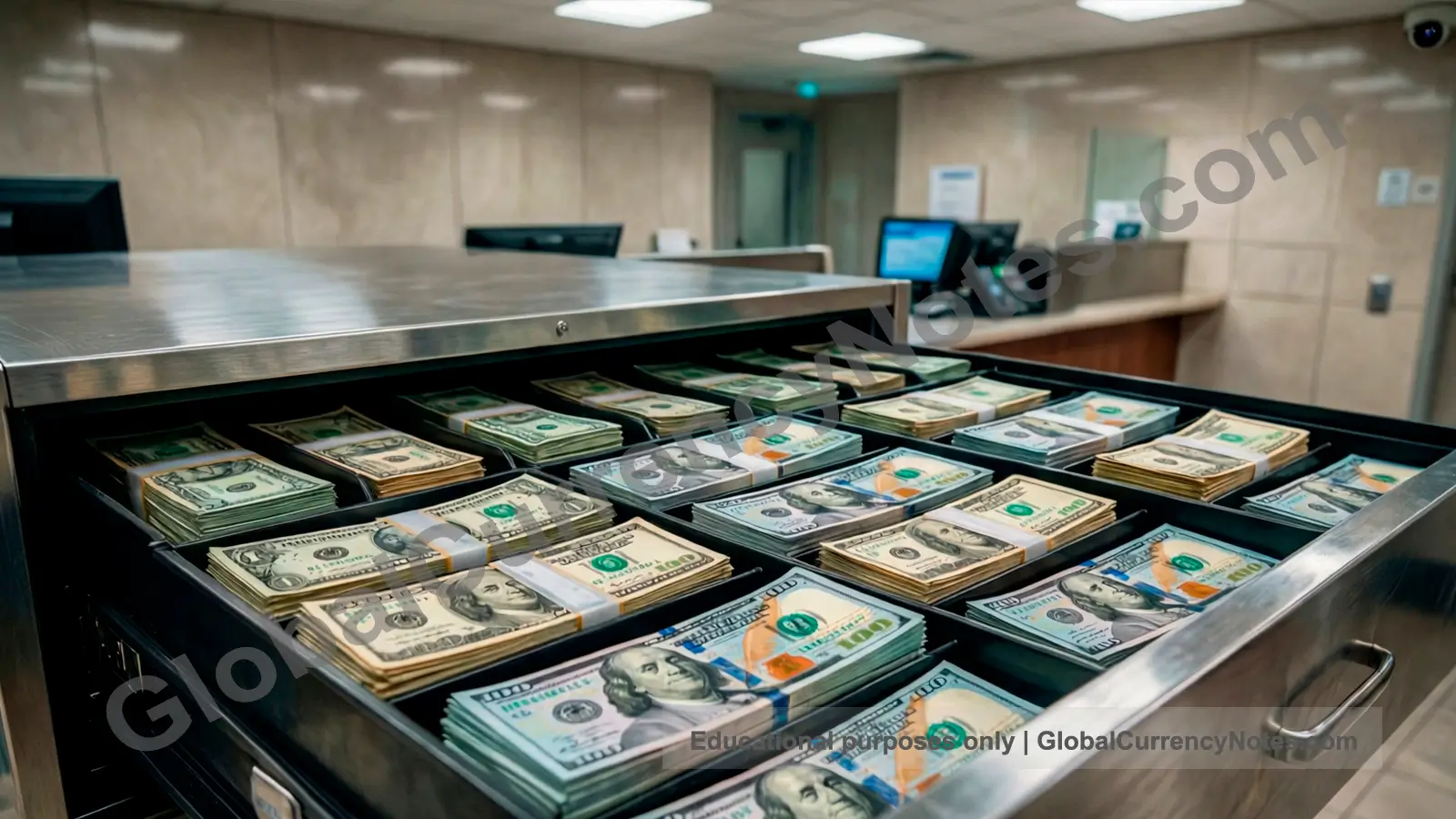
Cash demand fluctuates throughout the year. Holiday periods, tax refund seasons, summer vacation periods, and major holidays can drive increased demand compared to typical periods, though the magnitude varies by region and economic conditions. Central banks and commercial banks monitor these patterns and attempt to adjust distribution schedules accordingly.
Geographic distribution varies widely. Urban areas with dense ATM networks may receive more frequent deliveries of smaller quantities. Rural regions might get larger but less frequent shipments. Tourist destinations can experience seasonal spikes requiring temporary increases in cash availability.
Major central banks monitor withdrawal and circulation data to help predict short-term demand across different regions, though forecasting accuracy varies and unexpected events can create sudden demand changes.
Quality Control During Distribution
Not all banknotes entering circulation are brand new. Commercial banks sort returned notes using automated machines that can process notes at high speeds. These machines check for counterfeits and assess physical condition according to central bank standards.
Notes meeting quality standards are often redistributed rather than destroyed. This recycling means that a significant proportion of banknotes entering circulation on any given day have been used before, though exact percentages vary by denomination, region, and time period. Only notes with tears, holes, excessive soil, or other defects that fail quality standards are typically removed from circulation and returned to central banks for destruction.
Authentication Standards
Institutions handling bulk cash typically use authentication equipment. Banks, CIT companies, and large retailers verify notes before redistributing them. This multi-layered checking process helps reduce the likelihood of counterfeit notes entering widespread circulation, though no system provides complete protection.
Digital Systems Managing Physical Cash
Modern cash distribution relies heavily on digital inventory management. Banks often track note bundles using barcodes or RFID tags. Automated systems can monitor ATM cash levels and trigger refill orders when balances fall below predetermined thresholds.
These systems aim to optimize delivery routes, predict demand spikes, and minimize the amount of cash sitting idle in vaults. Efficiency improvements can mean fewer armored trucks on the road and potentially lower operating costs, though implementation success varies by institution.
International Circulation Models
Different countries use varying circulation models. The United States relies primarily on commercial banks and private CIT companies. Some European countries utilize national postal systems to supplement commercial bank distribution. Distribution infrastructure in developing nations may depend more heavily on central bank regional branches.
Countries experiencing high inflation may introduce new currency series more frequently, requiring coordinated nationwide distribution campaigns. In such cases, central banks may work with enhanced security measures including military or police support to ensure security during mass note replacement operations.
Frequently Asked Questions
How long does it take for a new banknote to reach the public after printing?
New banknotes typically reach the public within one to several weeks after printing, though exact timelines vary significantly by country, urgency, and distribution infrastructure. They move from the printing facility to central bank vaults, then to commercial banks, and finally to ATMs or bank branches. In emergency situations during cash shortages, this process may be accelerated, though specific timeframes depend on many factors.
Do all banknotes go through ATMs first?
No. While ATMs are a major distribution channel in many countries, banknotes also enter circulation through bank teller windows, retail cash deliveries, and direct business transactions. The distribution mix varies significantly by country, region, and local infrastructure.
Why do some ATMs have newer-looking bills than others?
ATMs receive different proportions of new versus recycled notes depending on their servicing schedule, location, the bank’s inventory management practices, and local demand patterns. Factors affecting note quality distribution include ATM volume, location demographics, and servicing company policies. Some variation is normal across different machines.
Can I request new banknotes from my bank?
Many banks accommodate requests for new or uncirculated notes with advance notice, especially for gifts or special occasions. However, availability depends on the bank’s inventory, current demand, and policies. Banks may limit quantities during periods of high demand. It’s best to call ahead and ask about their specific policy and current availability.
What happens if an ATM runs out of cash?
Out-of-service ATMs typically trigger alerts to servicing companies, who aim to refill them according to their service agreements, which often specify response timeframes. Priority and response speed may vary based on machine location, traffic level, and current service schedules. High-traffic locations and holiday periods may receive expedited attention.
How do banks know how much cash to order?
Banks use historical data, seasonal patterns, local economic indicators, and upcoming events to forecast demand. Forecasting systems may analyze ATM withdrawals, branch transactions, and regional trends. However, forecasting accuracy varies, and unexpected events can create demand that differs from predictions. Banks typically maintain buffer inventory to handle variations.
Are digital payments reducing the need for cash circulation?
In many developed countries, digital payment growth has affected cash usage patterns, though the impact varies significantly by country and demographic. Cash remains important for certain transaction types, privacy preferences, emergency backup, and populations without bank accounts or digital payment access. Some countries continue to see cash circulation growth despite digital alternatives, while others have experienced decreases. Trends vary considerably by region and economic context.
Disclaimer: Information provided is for educational purposes only and does not constitute professional advice. Banknote standards and regulations vary by jurisdiction and are subject to change. Readers should exercise their own judgment. For full legal disclosures and liability limitations, visit our Legal Notice.