Part of: Banknote Authentication
Fake banknotes pose significant risks to individuals and businesses worldwide. While modern security features have made counterfeiting more difficult, counterfeit currency still circulates—particularly during busy periods and in high-traffic areas. Learning to recognize common security features can help reduce the risk of accepting counterfeit notes.
This practical guide explains verification methods commonly recommended by central banks and security experts. These techniques work for many major currencies and require no special equipment beyond careful observation. According to the European Central Bank, understanding basic security features can help individuals identify many common counterfeits.
Important: The methods described here are educational tools for general awareness, not professional authentication services. These techniques help identify many common counterfeits but are not foolproof—sophisticated counterfeits may pass basic visual and tactile checks. For high-value transactions, rare notes, or when authenticity is uncertain, consider professional authentication services or consultation with your financial institution. The US Secret Service and other agencies provide resources on currency security and counterfeit reporting.
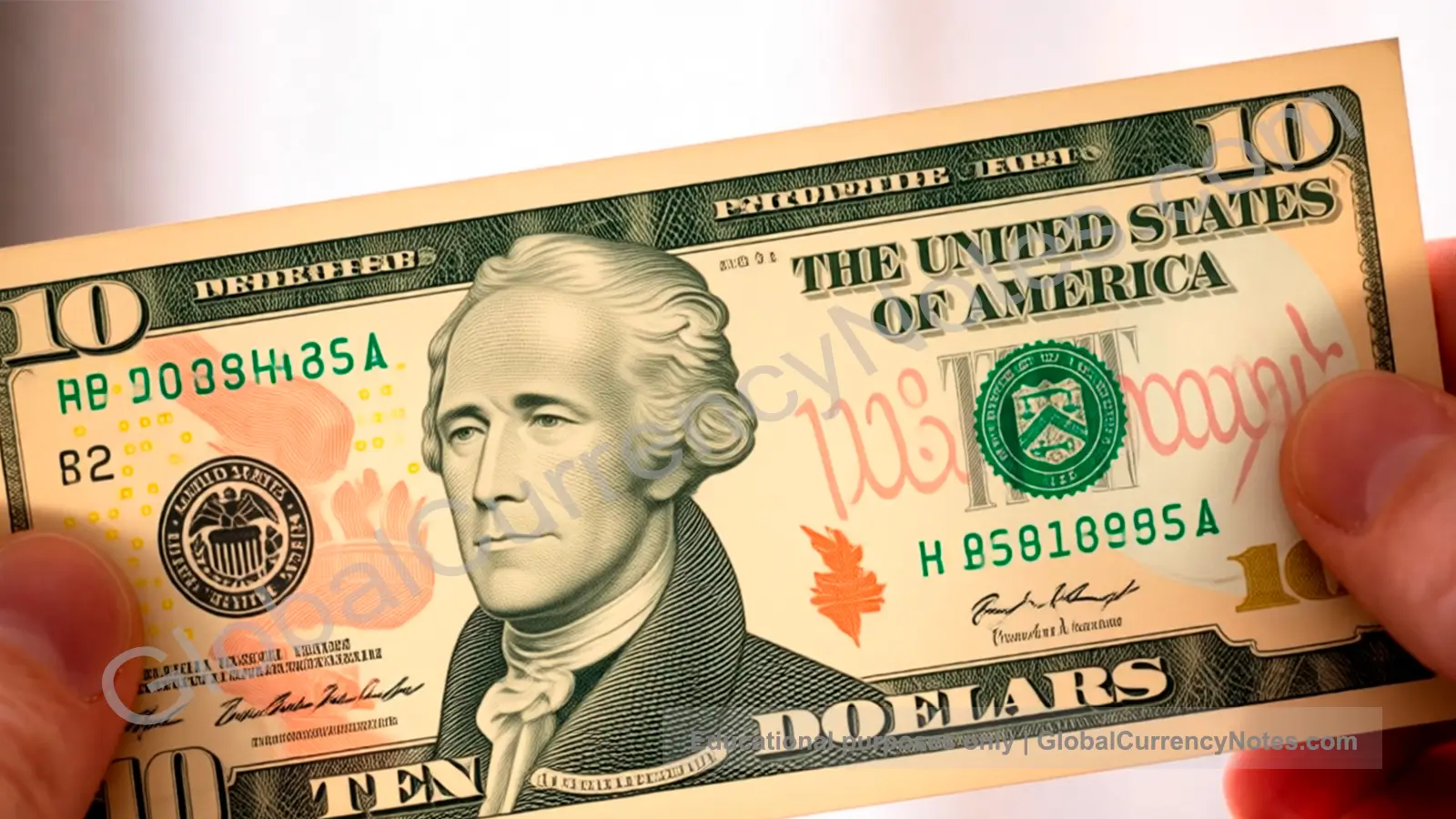
Why Counterfeit Detection Matters
Accepting a counterfeit note typically means losing that money—in most jurisdictions, central banks do not exchange fake currency for genuine notes, though specific policies vary by country. Beyond financial loss, currency fraud is taken seriously by law enforcement in many jurisdictions. Understanding how to recognize common security features helps protect your finances.
Counterfeit rates in developed economies remain relatively low compared to the total volume of currency in circulation. According to estimates from the US Secret Service (based on recent years), less than 0.01% of US currency in circulation is counterfeit. However, the absolute numbers remain significant enough that awareness of security features is worthwhile, especially for businesses handling large amounts of cash.
How Modern Banknotes Resist Counterfeiting
Contemporary banknotes incorporate multiple layers of security that work together. Understanding why these features are difficult to replicate helps you know what to check:
- Specialized substrates: Cotton-fiber paper or polymer materials with unique textures
- Multiple printing techniques: Intaglio, offset, and specialty printing methods used simultaneously
- Embedded elements: Security threads and watermarks integrated during production
- Optically variable features: Color-shifting inks and holograms that change appearance when tilted
- Microprinting: Extremely small text visible only under magnification
Most counterfeit operations cannot convincingly reproduce all these elements. Lower-quality fakes often fail basic inspection, while more sophisticated attempts typically reveal flaws when checked systematically. Examining multiple features rather than relying on a single characteristic helps improve detection likelihood, though no verification method guarantees detection of all counterfeits.
The Universal Three-Step Verification Method
Central banks worldwide commonly recommend this approach because it requires no equipment and applies broadly across different currencies. These techniques can help identify many common counterfeits but should not be considered definitive authentication:
Step 1: Feel the Physical Characteristics
Genuine banknotes have distinctive tactile qualities that can help differentiate them from many counterfeits:
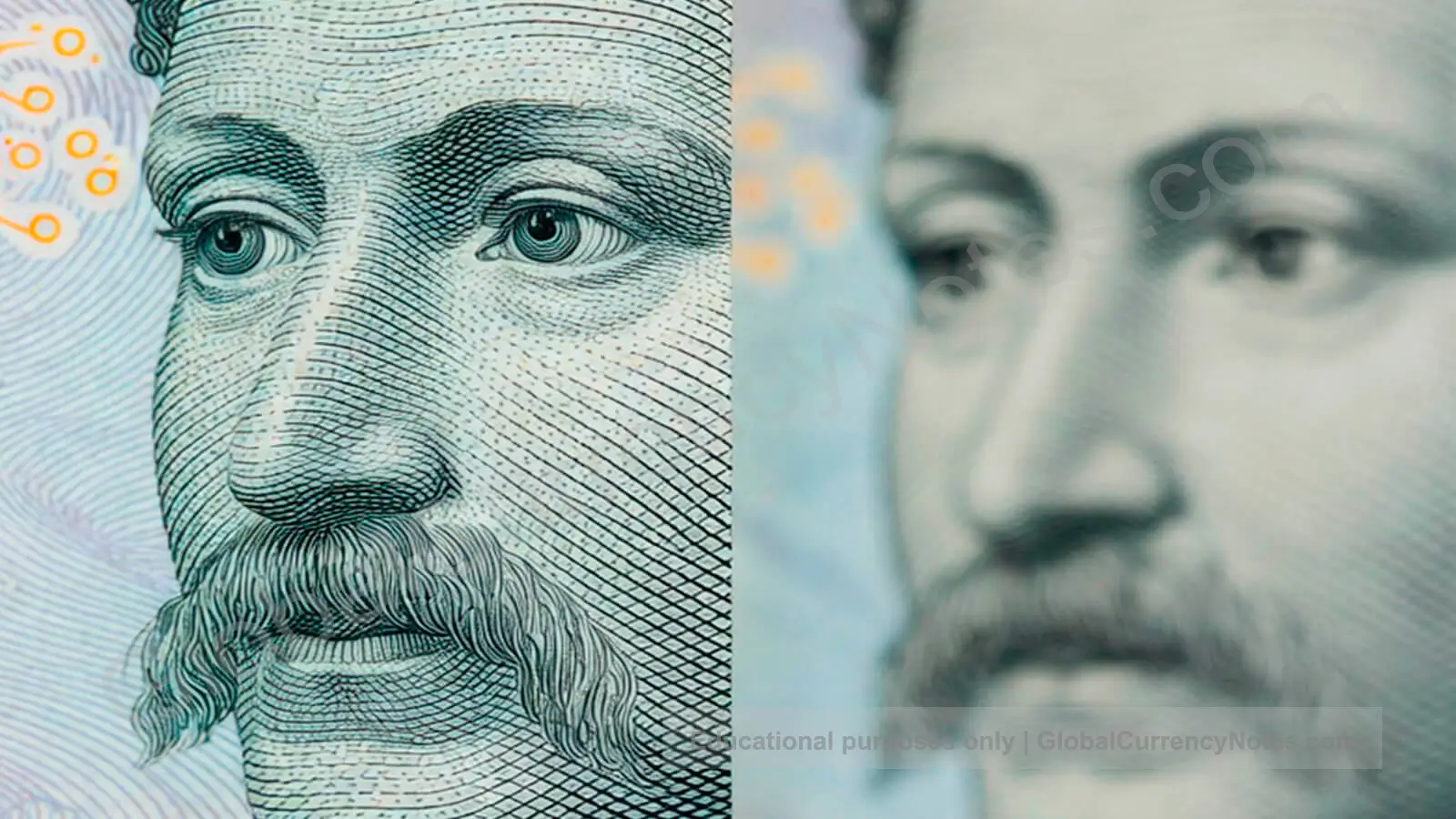
- Substrate texture: Real banknotes use cotton-based paper or polymer plastic with characteristic feels—distinct from ordinary commercial paper. The texture should be crisp without being brittle
- Raised printing: Run your fingertip across major design elements. Authentic notes often use intaglio printing that creates slightly raised ink detectable by touch, particularly on portraits and large denomination numbers
- Polymer flexibility: Notes made from polymer should feel smooth and slightly slippery, returning to shape when crumpled. Paper imitations of polymer notes typically feel noticeably different
Paying attention to how notes feel—and comparing questionable notes to known genuine currency—may help identify many basic counterfeits. This tactile check works best when combined with visual inspection. Note that wear, age, and circulation can affect how genuine notes feel.
Step 2: Look for Embedded Security Features
Hold the note up to a light source and examine these features:
- Watermark: A shadow image visible when backlit, embedded within the substrate rather than printed on the surface. The watermark typically shows a portrait, symbol, or denomination matching the note’s design theme
- Security thread: A thin strip embedded in the note, appearing as a dark line when held to light. Many currencies feature threads containing microprinted text. The thread should be woven into the substrate, not applied to the surface
- See-through register: Some notes include designs on front and back that align perfectly when backlit, creating a complete image from separate printed elements
- Transparent windows: Polymer notes may include clear sections containing printed or holographic elements visible from both sides
Features embedded during production are significantly harder to counterfeit than surface-printed elements. If a security feature appears applied rather than integrated, this may suggest counterfeiting, though consultation with a professional or your bank is advisable for confirmation.
Step 3: Tilt to Observe Dynamic Elements
Modern banknotes include features that change appearance when viewed from different angles:
- Color-shifting ink: Specific elements—often denomination numbers—that change color when the note is tilted. This optical effect results from specially formulated inks that are difficult to reproduce convincingly
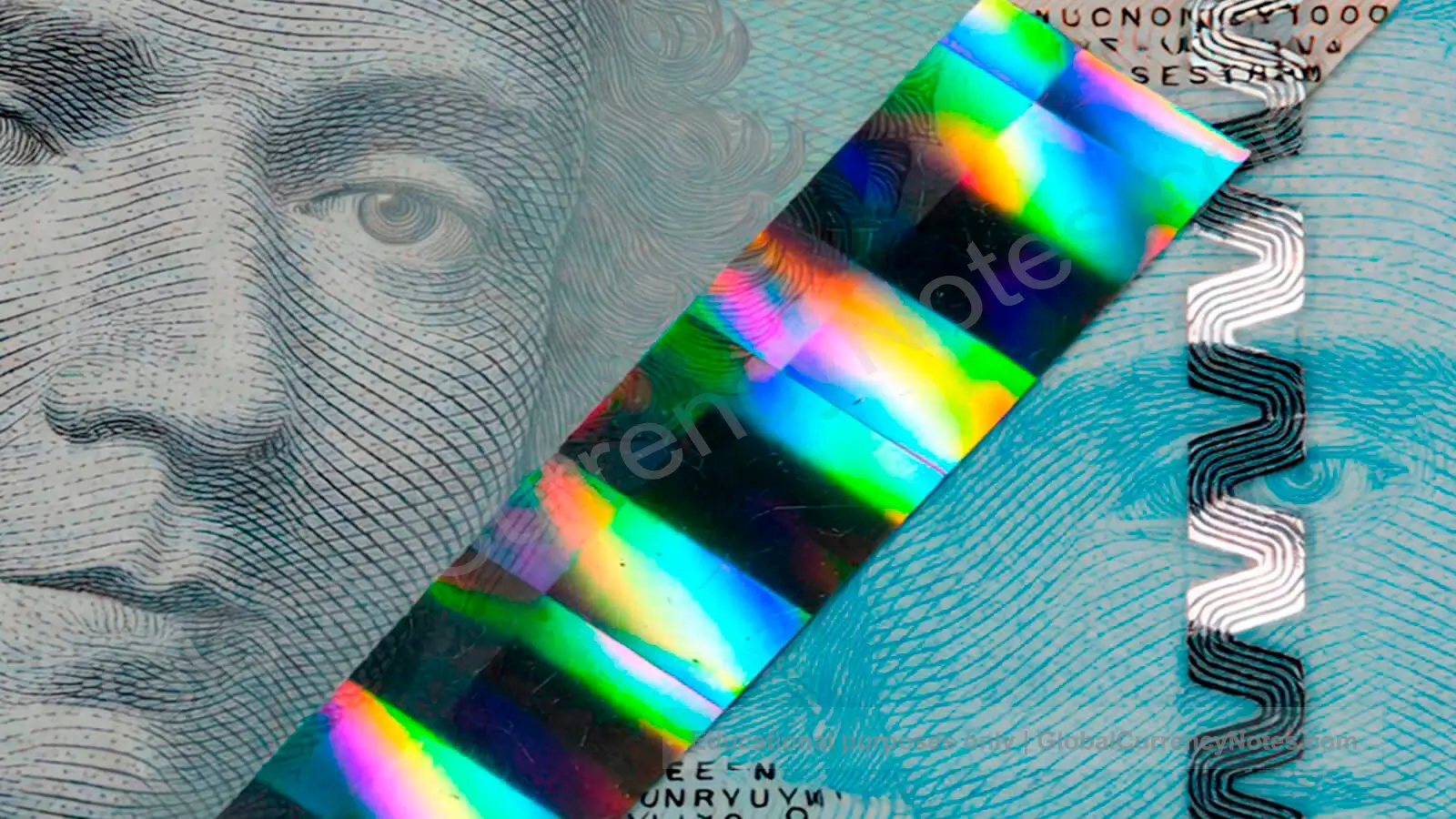
- Holographic features: Metallic strips, patches, or foil elements showing images that move or transform when viewed from different angles. These commonly appear on higher denominations
- Optically variable devices: Security threads or other elements that appear to move, change color, or reveal hidden text when tilted
Dynamic features provide strong authentication indicators because they require sophisticated materials and production techniques beyond the reach of most counterfeiters. However, advanced counterfeiting operations may attempt to replicate these features with varying success.
Additional Security Features Worth Knowing
Microprinting
Extremely small text—often showing currency name, denomination, or issuing authority—appears in various locations on the note. This text may look like a solid line without magnification but becomes readable when examined closely. Counterfeit attempts at microprinting typically appear blurred or consist of printed dots rather than actual letters.
Print Quality and Detail
Examine fine details like portrait features, border patterns, and small text. Genuine notes display sharp, clear lines without blurring. Common indicators that may suggest counterfeit printing include:
- Fuzzy or broken border lines
- Blurred or smudged portrait details
- Inconsistent color reproduction
- Visible dot patterns from digital printing processes
- Irregular ink application or uneven coverage
However, legitimate wear and circulation can also affect print quality on genuine notes. When in doubt, comparison with a known genuine example helps clarify.
Serial Numbers
Verify that serial numbers are evenly spaced, properly aligned, and consistent with the note’s standard font and color. When examining multiple notes, identical serial numbers indicate counterfeits, as each genuine note receives a unique identifying number.
Ultraviolet Reactive Features
Many currencies include elements visible only under ultraviolet light—security fibers, patterns, or printed elements that fluoresce specific colors. While UV verification requires a lamp and is not essential for everyday checking, it provides an additional authentication layer particularly useful for businesses. Note that UV features vary by currency and denomination.
Common Warning Signs
Exercise caution if you notice any of these characteristics, though remember that a single unusual feature doesn’t definitively prove counterfeiting:
- Unusual paper texture: Feels like standard printer paper, notably smoother or rougher than expected, or wrong thickness
- Applied security thread: Thread appears glued to the surface rather than embedded within the substrate
- Surface-printed watermark: Watermark visible without backlighting may indicate surface printing rather than embedded production
- Poor color matching: Colors noticeably lighter, darker, or different from comparable genuine notes
- Ink issues: Smudging, streaking, or ink that transfers when touched
- Incorrect dimensions: Size measurably different from genuine currency
- Missing or non-functional dynamic features: Color-shifting ink that doesn’t shift, or holograms without movement
Finding one questionable characteristic warrants checking additional features. Multiple warning signs may suggest counterfeiting, though professional verification or consultation with your bank provides more definitive assessment.
Practical Approach: Building Verification Skills
Developing familiarity with genuine currency helps recognize common security features:
For Individuals
- Study security features of currencies you regularly handle by examining notes you know are genuine
- Pay special attention to large denominations and notes received in unusual circumstances
- When in doubt, compare the questionable note side-by-side with a known genuine example
- Take time to examine notes rather than accepting them quickly during busy moments
- Remember that these basic checks help identify many common counterfeits but are not foolproof
For Businesses
- Train staff to recognize security features of accepted currencies
- Establish consistent checking procedures, especially for high-value notes
- Keep reference examples of genuine currency available for comparison
- Consider supplementary tools like UV lamps as secondary verification, not primary detection
- Document and report any suspected counterfeit discoveries according to local regulations
- Implement policies for handling questionable notes that comply with local legal requirements
When Professional Authentication Is Needed
The basic verification methods described in this article work well for everyday transactions and common counterfeits, but certain situations warrant professional authentication services:
- High-value transactions: Large cash amounts where financial risk is significant
- Rare or collectible notes: Valuable banknotes where authentication affects substantial value
- Unfamiliar currencies: Foreign notes you don’t handle regularly and aren’t familiar with
- Suspicious circumstances: Notes received in unusual situations or from unknown sources
- Business deposits: Regular large cash deposits where bank verification provides assurance
- Legal requirements: Situations where documented professional authentication is advisable
Professional services include certified currency authenticators, bank verification departments, and specialized forensic document examiners. These professionals use advanced equipment and expertise beyond basic visual and tactile examination.
If You Suspect a Counterfeit Note
Procedures vary significantly by country and jurisdiction. General guidance commonly includes the following, though you should verify requirements specific to your location:
- Do not attempt to use the note or return it, as laws in many jurisdictions make knowingly passing counterfeit currency illegal, though specific legal requirements differ by region
- Handle minimally and store separately from other currency to preserve potential evidence
- Document relevant information: How and where you received it, date and time, and any other pertinent details
- Follow local reporting procedures, which typically may involve:
- Contacting your bank or financial institution
- Notifying local law enforcement if required in your jurisdiction
- Following guidance from your national central bank
Reporting procedures, legal requirements, and consequences for possessing or attempting to use counterfeit currency differ significantly by jurisdiction. Laws vary regarding what constitutes knowing possession versus unknowing receipt. When in doubt, consult your bank, local authorities, or legal professionals for guidance specific to your location and circumstances. Reporting suspected counterfeits aids in protecting others and assists authorities in tracking counterfeit operations.
Understanding Detection Tools
Counterfeit Detection Pens
These pens test for starch content in paper. However, they have significant limitations:
- Produce false positives on some genuine older notes
- Give false negatives on counterfeits printed on starch-free paper
- Test only one characteristic, not comprehensive security
Due to these limitations, these pens should not be relied upon as a primary detection method. If used at all, they should supplement—not replace—the Feel-Look-Tilt method and other verification techniques.
UV Lamps and Other Equipment
Ultraviolet lamps reveal fluorescent security features and can help verify authentic paper substrates. These tools work best as secondary verification for businesses handling substantial cash volumes. However, they require knowing what UV features to expect for each currency and denomination, and UV features alone do not guarantee authenticity.
Automated Detection Machines
Commercial bill validators and currency counters include authentication functions checking multiple security features simultaneously. These machines work well for high-volume environments but require proper calibration and regular updates to recognize new note designs. No automated system is 100% accurate, and sophisticated counterfeits may occasionally evade detection.
Frequently Asked Questions
How common are counterfeit banknotes today?
Counterfeiting rates vary significantly by country, currency, and denomination. In developed economies with modern banknotes, counterfeits typically represent a very small percentage of total currency in circulation—often less than 0.01% based on various central bank estimates. However, rates differ by region and specific circumstances, and some denominations or areas may experience higher counterfeit activity than others.
What happens if I unknowingly accept a counterfeit note?
In most jurisdictions, you would lose that money, as central banks typically do not exchange counterfeits for genuine currency, though specific policies vary by country. This potential financial loss is why awareness of security features is valuable. If you discover a suspected counterfeit, you should report it according to local procedures. Legal consequences for unknowingly receiving counterfeit notes vary by jurisdiction—consult local legal resources if you have specific concerns about your situation.
Can I get in trouble for unknowingly accepting counterfeit money?
Laws regarding counterfeit currency possession and use vary significantly by jurisdiction. In many jurisdictions, legal consequences primarily apply to knowingly passing or manufacturing counterfeit currency, though specific laws, definitions of «knowing,» and enforcement practices differ considerably by location. If you discover a suspected counterfeit, reporting it to appropriate authorities rather than attempting to use it is generally advisable. This is not legal advice—consult local legal professionals or authorities for guidance applicable to your specific situation and jurisdiction.
Should I examine every banknote I receive?
The level of scrutiny depends on circumstances and personal preference. Higher-value denominations, unfamiliar currencies, and transactions in unusual settings may warrant more careful checking. For routine small transactions where counterfeiting risk is lower, basic awareness often suffices. Businesses handling substantial cash should implement systematic verification procedures appropriate to their risk level and local requirements.
Are all security features the same across different currencies?
No. While many modern currencies share similar categories of security features—watermarks, security threads, color-shifting elements—the specific implementation varies considerably between countries and even between denominations within a currency. Familiarize yourself with the particular currencies you handle regularly. Central banks typically provide educational resources describing their specific banknote security features.
What if my bank identifies a deposited note as counterfeit?
Procedures vary by institution and jurisdiction. The bank will typically confiscate the note and file appropriate reports as required by local regulations. You will lose the value of that note. Cooperation with the bank’s process is generally advisable. Legal outcomes for depositors vary by jurisdiction and circumstances—if you obtained the note through normal channels unknowingly, many jurisdictions do not impose penalties on the depositor, though specific laws differ. Consult local legal resources if you have concerns about a particular situation.
Do older banknote designs have fewer security features?
Generally yes. Security technology has advanced significantly over recent decades. Older notes often lack modern features like color-shifting ink, sophisticated holograms, or polymer substrates. However, older designs typically remain legal tender where still in circulation and should be accepted if genuine. When examining older notes, focus on features they do contain—watermarks, paper quality, and print sharpness. If uncertain about an older note, your bank can verify authenticity.
Disclaimer: Information provided is for educational purposes only and does not constitute professional advice. Banknote standards and regulations vary by jurisdiction and are subject to change. Readers should exercise their own judgment. For full legal disclosures and liability limitations, visit our Legal Notice.