Part of: Banknote Types & Materials
Understanding the functional design principles behind banknote denomination differentiation through physical size and color coding systems.
Why banknotes have different sizes and colors relates to important practical functions in currency design: these visual and tactile differences help visually impaired users identify notes, help prevent counterfeiters from altering denominations, and allow people to sort money more quickly and accurately. According to the European Central Bank, understanding how banknote size and color vary across denominations reveals how currency design attempts to balance usability, security, and accessibility requirements.
Most people intuitively use size and color to sort money quickly in daily transactions, but these features are carefully engineered to meet specific functional requirements. The typical progression from smaller, lighter-colored notes for low values to larger, more vibrant notes for high values follows design principles developed over many decades of currency evolution worldwide.
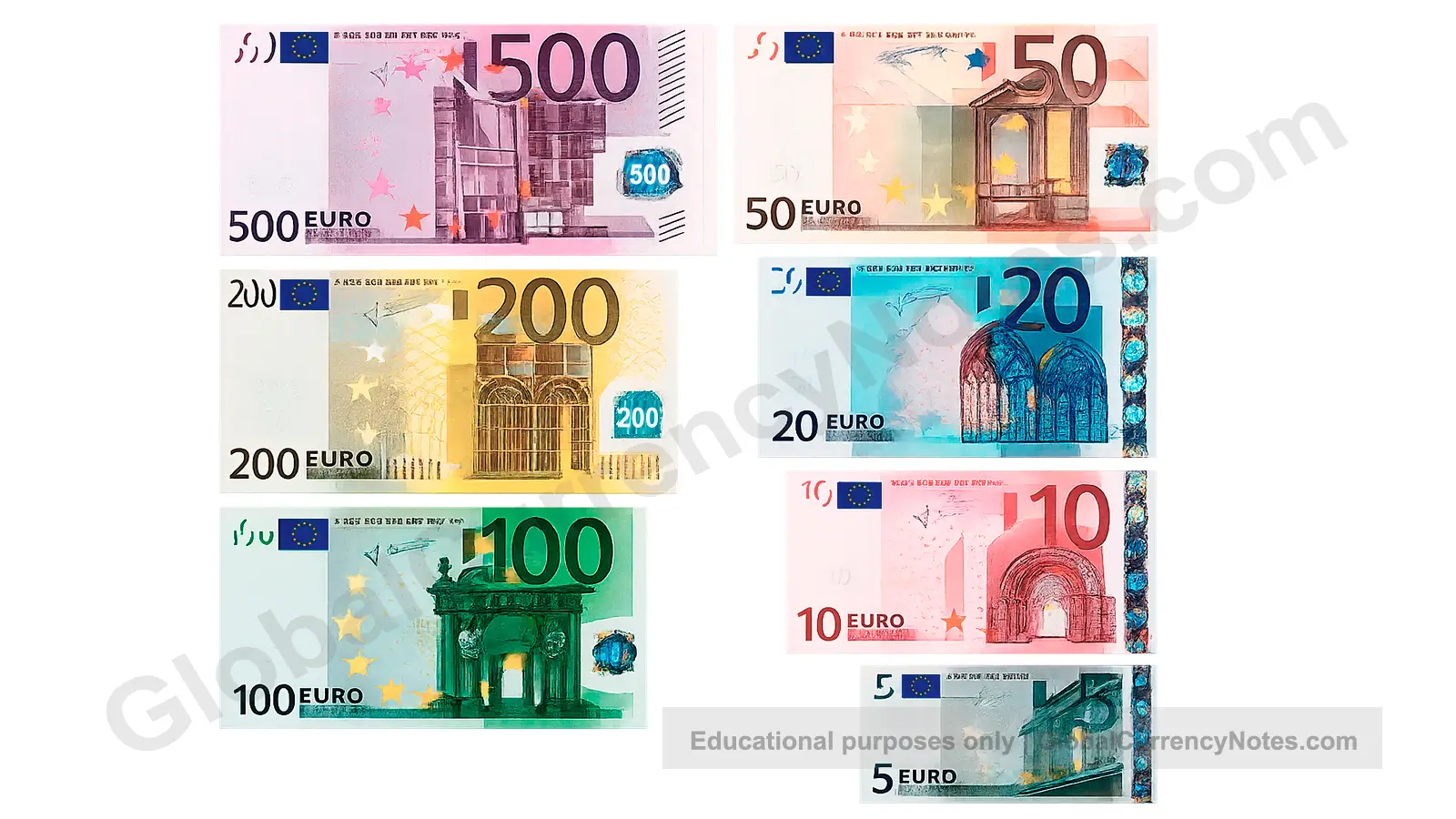
Size Differences: More Than Just Aesthetics
Currency designers typically make higher denomination banknotes physically larger than lower denominations for several interconnected reasons. According to the Bank of England, this size progression serves as an immediate visual and tactile cue that helps users distinguish denominations at a glance, though specific dimensions vary significantly across currencies.
This progressive sizing helps users identify denominations quickly when handling multiple notes. The physical size difference can make sorting and counting faster and may reduce errors in transactions. Someone receiving change can often verify they received the correct denominations by comparing note sizes, though this depends on familiarity with the specific currency.
Accessibility for Visually Impaired Users
Size variation becomes particularly important for people with visual impairments. Blind and partially sighted individuals can often identify denominations by measuring note length and width, either by hand or using simple measuring devices. This tactile differentiation can provide greater independence in financial transactions without requiring specialized equipment or assistance.
Many countries complement size differences with additional tactile features. Some currencies incorporate raised print and specific patterns that can be felt, while others include specialized markings. However, size typically remains a primary tactile identifier because it generally works even when notes become worn or when users wear gloves.
Security Against Denomination Alteration
Different sizes can help prevent a counterfeiting technique where criminals attempt to bleach genuine low-denomination notes and reprint them as higher values. With uniform-sized currency, this technique potentially poses a greater risk as the authentic paper and some security features of the original note might be retained.
When notes have different dimensions, this bleaching-and-reprinting method becomes more difficult. A smaller note cannot be physically enlarged to match a larger denomination’s size, and attempting to print a large denomination on smaller paper creates a mismatch that may be more easily detected, though sophisticated counterfeiting methods continue to evolve.
Why Some Countries Use Uniform Sizes
The United States represents a notable exception to size variation, maintaining identical dimensions for all denominations from $1 to $100. According to the U.S. Currency Education Program, this uniformity dates to standardization decisions made in the early 20th century, when manufacturing efficiency through standard-sized plates and printing equipment was prioritized.
Modern US currency compensates for uniform size through other differentiating features. Large, color-coded numerals appear on recent designs, making denomination identification easier for many users. However, accessibility advocates have noted that uniform dimensions may create challenges for visually impaired citizens compared to size-differentiated systems.
The Cost of Change
Transitioning from uniform to varied sizes would involve substantial expense in countries with established infrastructure. ATMs, vending machines, cash registers, and counting equipment would need to be redesigned or replaced. Banks would need new storage systems, and retailers would need to adapt operational procedures. These infrastructure costs help explain why countries with established uniform-size systems may be hesitant to change despite potential benefits of size variation.

Color Coding for Quick Recognition
Color serves as one of the fastest visual identifiers for banknote denominations. Research suggests the human brain processes color information more rapidly than text or complex imagery in many circumstances, which may make color-coded currency easier to use in fast-paced transactions. Many currency systems demonstrate this principle by assigning each denomination a distinctive base color.
This color differentiation helps users locate specific denominations more quickly when sorting through mixed bills. The color associations can become reinforced through repeated use, potentially creating more automatic recognition that requires less conscious effort over time.
Cultural and Psychological Considerations
Currency designers often consider cultural color associations when assigning hues to denominations. Color meanings and associations can vary significantly across cultures. Some currencies may avoid certain colors due to cultural considerations or traditional associations in their regions.
Psychological research may influence color choices as well. Warmer colors like red and orange tend to draw attention, which might make them suitable for frequently used denominations. Cooler colors like blue and green may appear more stable in some contexts. However, color psychology effects can vary by individual and cultural background.
Practical Printing Considerations
The colors chosen must reproduce consistently across millions of notes and remain distinguishable under various lighting conditions. Currency printers test color durability against fading from sunlight, moisture, and handling. The selected inks must also work with security features like color-shifting elements without creating confusion.
Different denominations using different base colors can make simple photocopying or scanning more difficult. Color copiers may struggle to reproduce the specific ink formulations used in banknotes, and the distinct colors per denomination can make basic color adjustment insufficient for creating convincing reproductions across all values.
How Size and Color Work Together
Size and color create complementary identification systems that can reinforce each other. If someone has difficulty perceiving color due to color blindness or poor lighting, size differences may remain distinguishable. Conversely, if notes are partially obscured or folded so size is unclear, color can provide identification cues. This redundancy may make currency more reliable across diverse usage conditions and user populations.
The combination can also facilitate machine processing. Banknote sorting machines typically use multiple sensors reading size, color, and other features simultaneously. Having both size and color variation allows machines to cross-verify denominations, potentially improving accuracy and helping reject suspect notes that match one parameter but not others.
International Travel and Currency Exchange
Size and color differences can help travelers distinguish unfamiliar foreign currency more easily. When someone encounters a new currency for the first time, the visual and tactile differences between denominations may provide orientation. Even without reading the language printed on notes, the progressive size and color changes can indicate which notes typically hold higher values within that currency system.
Currency exchange workers may benefit similarly when processing multiple currencies. The distinct appearance of each currency’s denominations may reduce confusion and potential counting errors. The visual distinctiveness might make it less likely to accidentally mix denominations when sorting large volumes of cash.

Evolution of Size and Color Standards
Early banknotes often lacked systematic size and color differentiation. As printing technology improved and circulation volumes increased, the need for clear denomination identification became more apparent. The progressive adoption of size and color coding systems occurred gradually across different countries and time periods.
Modern international standards and best practices have emerged from decades of research into currency usability and accessibility. Organizations focused on accessibility have advocated for clear tactile differentiation, influencing design decisions in many countries. However, implementation varies widely based on each country’s specific circumstances and priorities.
Balancing Tradition and Innovation
When countries redesign their currency, they face decisions about how much to change familiar size and color patterns. Dramatic changes might improve functionality but could confuse users accustomed to existing systems. Most currency redesigns maintain some continuity with previous designs while incorporating improvements.
The transition period when new notes enter circulation alongside old designs presents particular challenges. Users must recognize both old and new notes as valid, which can be easier when color schemes remain somewhat consistent across redesigns.
Sustainability Considerations
Modern currency designers increasingly consider environmental impact when selecting materials and inks. The shift toward polymer substrates in some countries affects color choices, as different ink formulations may work better with plastic than paper. Designers attempt to balance vibrant, easily distinguished colors with environmentally conscious ink compositions.
Size decisions can also involve sustainability factors. Larger notes require more material but may last longer due to better handling characteristics. The optimal balance depends on circulation patterns, with frequently handled denominations potentially benefiting from durability even if it means using more resources per note.
Frequently Asked Questions
Why don’t all countries use the same size banknotes?
Countries design currency to meet their specific needs, considering factors like existing infrastructure, accessibility requirements, and cultural preferences. International standardization would require costly changes to ATMs, cash registers, and counting equipment across different monetary systems. Historical precedent also plays a significant role, as countries generally maintain sizing systems that users already understand and that work with existing infrastructure.
Are larger banknotes always higher in value?
Generally yes, within a single currency system. Most currencies that use size variation make higher denominations physically larger to aid quick identification. However, this relationship doesn’t hold when comparing different currencies. A large note from one country might have less purchasing power than a smaller note from another country. Size indicates denomination only within the same currency.
Can color-blind people use color-coded banknotes?
Color-blind individuals can still use color-coded currency, though they may rely more heavily on size differences, large numerals, and other features. Currency designers increasingly incorporate multiple identification methods specifically to accommodate various types of color vision deficiency. Size variation and tactile elements help ensure accessibility regardless of color perception abilities.
Do polymer and paper banknotes use different colors?
The substrate material can affect color appearance. Polymer notes sometimes appear more vibrant because the plastic surface reflects light differently than paper. However, currency designers generally attempt to maintain similar color schemes when transitioning from paper to polymer to help avoid confusing users during the changeover period. Some adjustment to ink formulations may be necessary with different substrates.
Why do some new banknote designs look similar across denominations?
Modern design trends sometimes favor unified aesthetic themes across all denominations of a currency series for visual coherence. However, even when overall design appears similar, size, color, and specific design elements typically differ enough to maintain clear denomination identification. Designers attempt to balance visual cohesion across the series with practical differentiation needs.
How do vending machines and ATMs identify different sized banknotes?
These machines use multiple sensors measuring physical dimensions, optical characteristics including color, magnetic properties of security inks, infrared reflectance patterns, and sometimes weight or thickness. The combination of size and color data, along with other security features, helps machines verify both authenticity and denomination. Sensor technology and verification methods vary by machine manufacturer and model.
Will digital currency eliminate the need for different sized physical notes?
As long as physical cash remains in use, differentiation through size and color will likely continue serving important accessibility and security functions. Digital currency may reduce overall cash usage in some contexts, but physical notes will likely remain available for those who prefer or require them for the foreseeable future, maintaining the need for clear denomination differences.
Disclaimer: Information provided is for educational purposes only and does not constitute professional advice. Banknote standards and regulations vary by jurisdiction and are subject to change. Readers should exercise their own judgment. For full legal disclosures and liability limitations, visit our Legal Notice.